Culture news and discussion on TalkFuse.
Why smoky bacon crisps threaten to reignite rows over EU rules
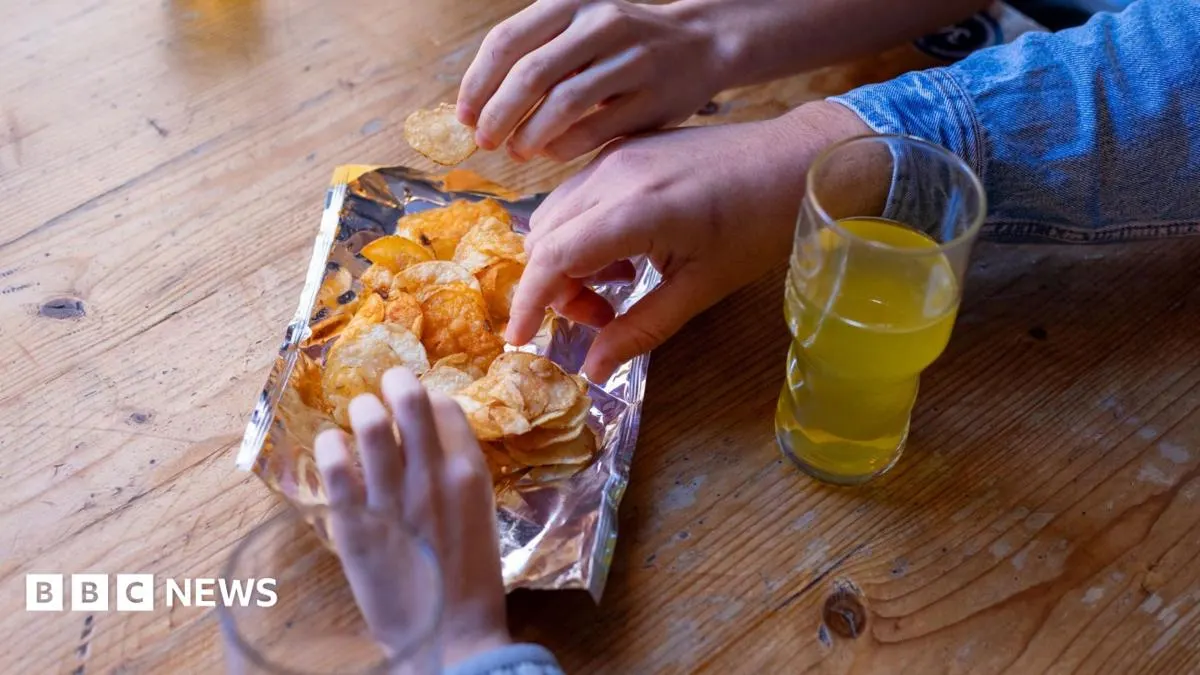
The government’s proposed food standards deal with the EU could bring smoky bacon and roast chicken crisps under EU rules restricting meat-related food names. The issue has become a political flashpoint because Britain would adopt rules it had no part in shaping, reviving arguments about sovereignty and giving opponents of closer EU ties a chance to criticise the agreement.
The EU adopted rules this summer restricting 31 terms, including “bacon”, “drumstick” and “steak”, to products containing meat, citing possible consumer confusion. Their application to meat-flavoured crisps, including those made without meat extracts, remains unclear; the rules are not due to take effect until after August 2029, and the European Commission can grant exemptions. British snack industry groups support reducing trade barriers but want clarity and a say in how the rules affect UK businesses.
In short
- EU rules could affect names such as smoky bacon crisps.
- Their application to meat-flavoured snacks remains unclear.
- The proposed UK-EU deal could bring the rules to Britain.
Steelman: both sides, in good faith
The strongest fair case each way — we don't pick a winner.
The case for
A food standards deal could reduce trade barriers and make it easier for British producers to sell into the EU, while common naming rules may help consumers distinguish products containing meat from meat-flavoured alternatives. The rules are not due to take effect until after August 2029, their application to crisps remains unclear, and exemptions may be possible, leaving scope to address the industry’s concerns.
The case against
The UK adopting rules it had no part in shaping could limit its ability to set standards in line with domestic priorities and leave British businesses facing uncertainty over familiar product names. Even if the rules aim to prevent consumer confusion, applying meat-related terms to meat-free crisps may impose costs or disrupt established branding without clear evidence that consumers are misled.
Culture Europe Food Politics UK World