Technology news and discussion on TalkFuse.
Why so many desktop PC cases have glass walls (and why you might not want that)
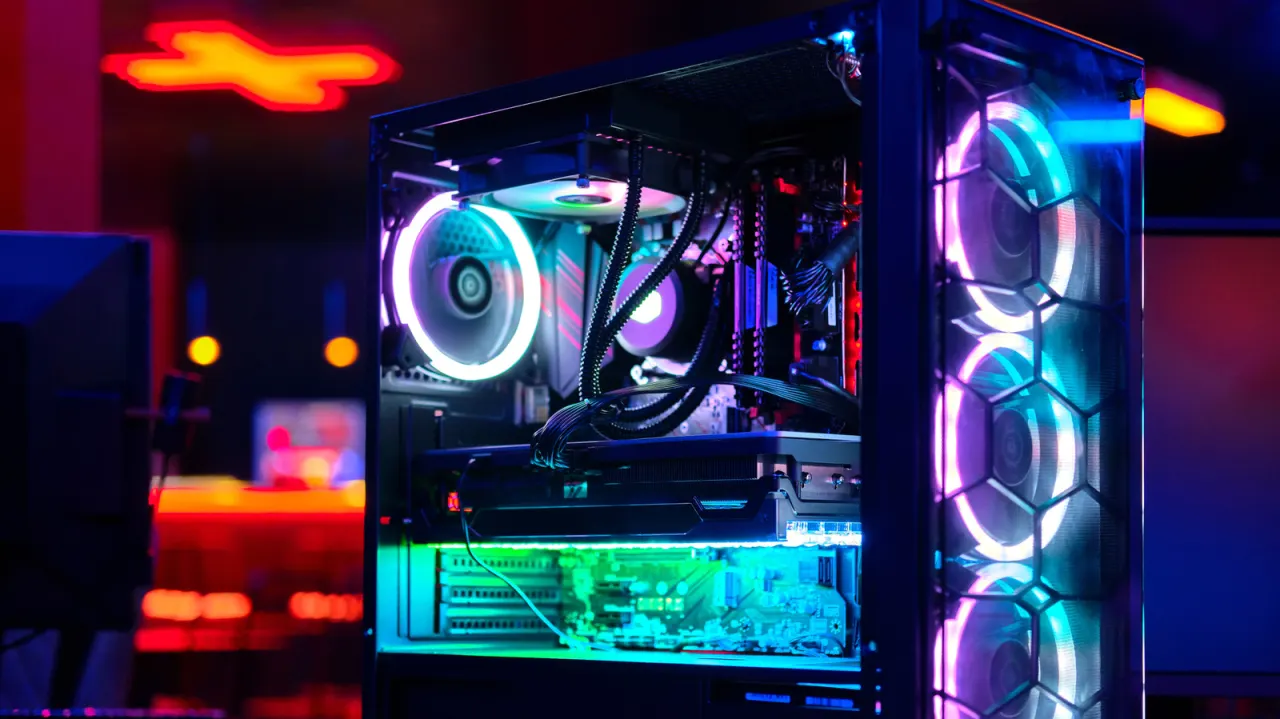
Tempered glass has become popular in desktop PC cases because it lets owners display costly components and RGB lighting. It also makes it easier to inspect the inside of a computer, but it does not improve performance or cooling.
The article says traditional case layouts usually place the glass on the left, while reversible designs are less common. Possible drawbacks include airflow problems if the panel sits too close to the case, breakage when panels are removed during upgrades, and the need for tidy cables to achieve a neat appearance. The writer cites an RTX 5090 with a US$1,999 recommended price as an example of hardware owners may want to show off.
In short
- Glass cases showcase expensive components and lighting.
- A clear panel can help spot dust or fan problems.
- Panels can break, and airflow may be affected.
Steelman: both sides, in good faith
The strongest fair case each way — we don't pick a winner.
The case for
Glass panels let owners enjoy the appearance of expensive components and lighting, and make it easier to inspect the interior when checking or upgrading a PC. For people who value presentation and visibility, those benefits can justify choosing a glass-sided case, especially when the layout and airflow are well designed.
The case against
A glass panel adds little practical value for owners who prioritise cooling, durability or a low-maintenance build: it does not improve performance and can restrict airflow if positioned too close to components. It can also break during removal, and its visual appeal may depend on keeping cables and the interior tidy; a more conventional case may better suit those priorities.
Explained simply
Desktop PC cases house the computer’s parts, including the processor, graphics card and fans. Tempered glass panels let owners see those components and any coloured lighting inside, and make it easier to check the interior.
The glass is mainly a design choice: it does not make a computer faster or improve cooling. Airflow depends on the case’s layout and ventilation, and a panel positioned close to the case can restrict it.
Some owners choose glass to display expensive parts, such as a high-end graphics card. The panel can break if mishandled during an upgrade, and visible cables may need arranging for a tidy look.