Science news and discussion on TalkFuse.
Why the flames of Britain’s wildfires have been fanned by the Green agenda as much as the weather: MATT RIDLEY
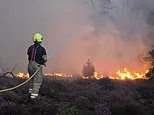
Commentator Matt Ridley argues that Britain’s recent wildfires have been worsened not only by hot, dry weather but also by environmental policies that, in his view, have reduced preventative land management. He says climate change can increase fire risk, but contends it is being used to excuse failures to maintain water supplies and limit combustible vegetation.
Ridley cites Global Wildfire Information System figures showing 106 million hectares burned worldwide so far this year, the lowest comparable total since 2012, and 3.8 million hectares in Europe, below the average for this point in the year. He calls for more reservoirs and greater use of winter controlled burns on heather moorland, arguing these practices can reduce fuel build-up and the severity of later fires.
In short
- Ridley links wildfires to policy choices as well as dry weather.
- He says global wildfire totals are currently comparatively low.
- He advocates reservoirs and controlled burns.
Steelman: both sides, in good faith
The strongest fair case each way — we don't pick a winner.
The case for
Supporters of Ridley’s argument say hot, dry weather does not remove the need to manage foreseeable fire risks. They contend that restrictions on vegetation clearance and controlled burning may leave more combustible material, while limited water storage can hinder firefighting; carefully targeted burns and reservoirs could therefore reduce damage and improve resilience.
The case against
Critics would argue that the piece does not establish that environmental policies caused or materially worsened these fires, and that global or European burned-area totals do not settle the causes of particular British incidents. They may also question whether routine heather burning or new reservoirs are effective and proportionate responses, given possible harms to habitats, water quality and carbon storage, and favour approaches such as restoring peatlands and adapting land management to changing climate risks.
Explained simply
Wildfires are uncontrolled fires that spread through vegetation such as grass, heathland, woodland and moorland. In Britain, prolonged dry spells, high temperatures and strong winds can dry out plants and soil, making fires easier to start and harder to contain.
Managing fire risk can include maintaining water supplies, clearing or grazing vegetation, and carrying out carefully planned controlled burns in suitable conditions. These measures are debated because they can reduce fuel for fires but may also affect wildlife, air quality, peatland and carbon storage.
Matt Ridley is a writer and commentator who often challenges parts of environmental policy. His argument is that decisions about land and water management have contributed to fire risk alongside changing weather patterns; environmental groups, land managers and public authorities differ over which approaches are most effective.