Why the Hottest New Wearables Want to Be Ignored
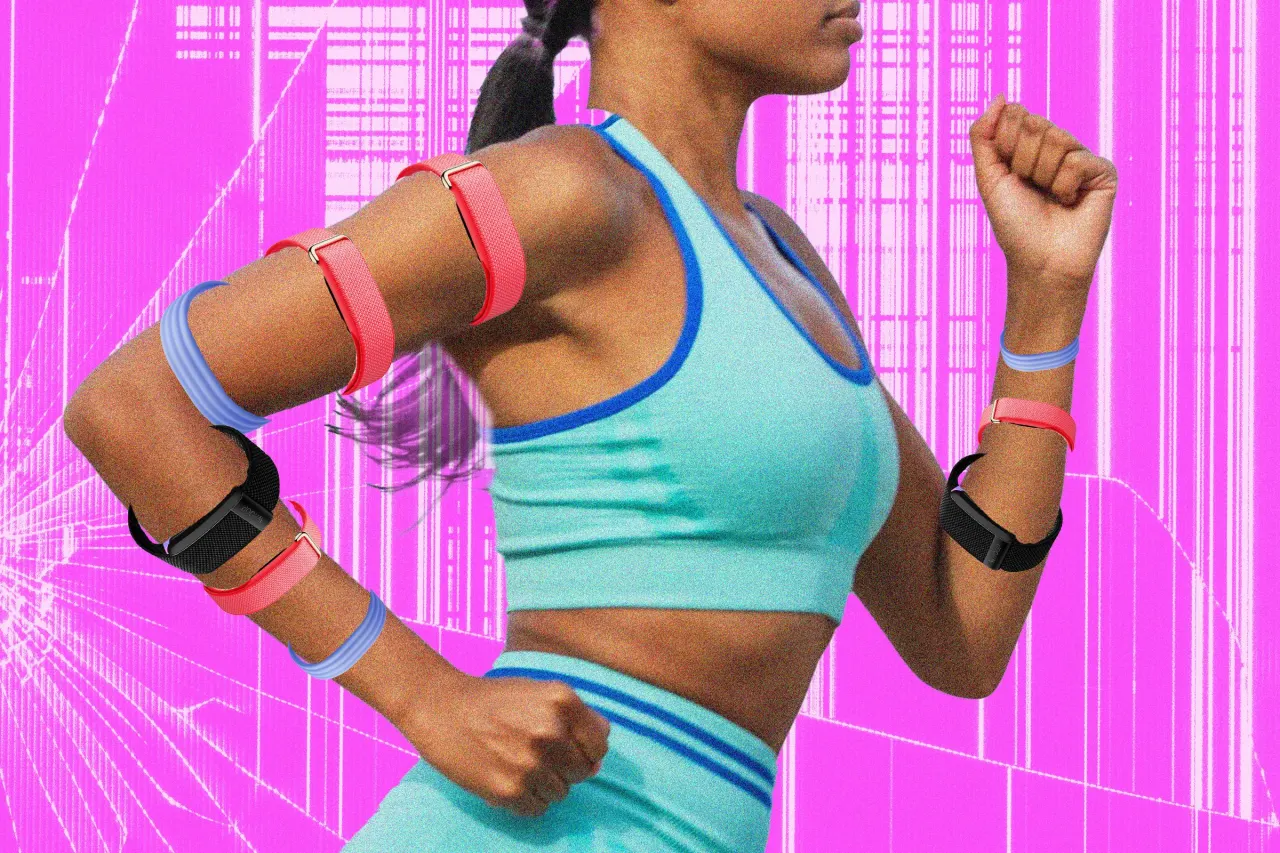
A wave of new "screen-free" wearables — including the Garmin Cirqa, Google Fitbit Air, Polar Loop, Amazfit Helio Strap and the long-running Whoop bands — is deliberately stripping away displays and notifications, betting that consumers want devices that demand less attention rather than more. This marks a reversal from the smartwatch trend of the past decade, which had packed fitness trackers with OLED screens, AI assistants and constant alerts, even though the promised "life-changing" smartwatch app never really materialised. Apple is reportedly weighing its own take on the concept, according to Bloomberg, suggesting the shift is gaining momentum across the industry.
The article's author, a longtime wearables reviewer since the early Fitbit era, argues these new bands echo devices like the 2011 Fitbit Ultra and 2012 Fitbit Zip, which were checked only a few times a day rather than compulsively. By contrast, modern fitness watches from Garmin, Samsung, Fitbit and Coros are checked dozens or hundreds of times daily for messages, sleep scores and "move" alerts. Whoop, which has sold screen-free trackers since 2015, has shifted from marketing itself as a tool "exclusively designed for elite athletes" to a $199-a-year subscription service aimed at anyone wanting to improve sleep, training and general wellbeing — a change the piece links partly to growing fatigue with attention-hoarding tech and, in part, to the rise of AI.
- Screen-free wearables like Fitbit Air and Whoop are booming in 2026.
- They reverse the trend of increasingly screen-heavy, notification-heavy smartwatches.
- Apple is reportedly considering a similar low-distraction wearable.
New here? Start with this
Fitness trackers measure activity and other health signals, such as sleep and heart rate. Early clip-on trackers usually showed little information, while smartwatches later added screens, apps and alerts, bringing more features to people’s wrists.
The companies making the newer screen-free bands include Garmin, Google, Polar, Amazfit and Whoop. They are betting that some people would rather check their health information occasionally in an app than have a device display it or send frequent notifications.
The shift matters because wearables are changing from devices designed to keep users engaged throughout the day to tools meant to collect information with less interruption. Whoop’s move from serving elite athletes to a broader subscription audience shows how these products are being marketed for general wellbeing as well as training.
Both sides, in good faith
The strongest fair case each way — we don't pick a winner.
The case for
Screen-free wearables may help people track health and fitness without adding another source of alerts and screen time. Their simpler design could encourage users to check data deliberately, as with early fitness bands, while still supporting goals such as better sleep and training.
The case against
Removing the display and notifications may make useful information less accessible and reduce the convenience that has made smartwatches valuable. For people who rely on timely alerts, at-a-glance metrics or interactive features, a simpler band could feel like a step backwards, and its benefits may not justify a substantial subscription.