Grid bottlenecks force Scotland to waste wind power and burn gas
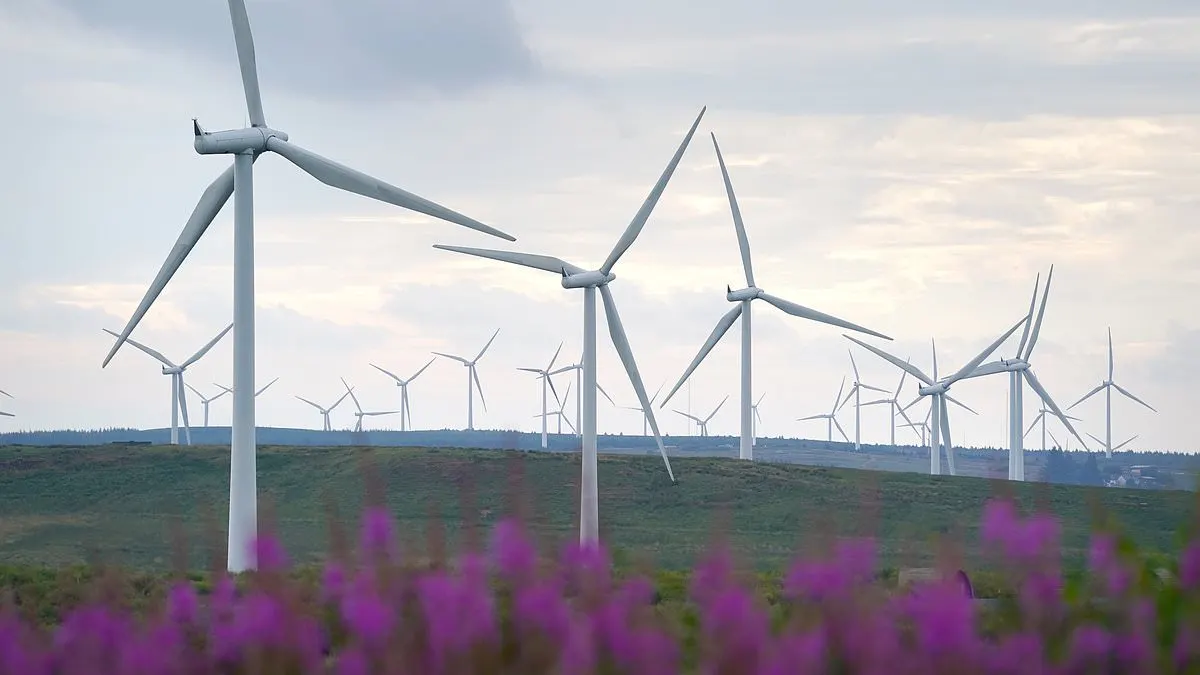
Scotland’s wind power is often curtailed because transmission cables cannot carry all the electricity south to areas of demand. Gas-fired power stations in England then make up the shortfall, leaving consumers to fund both the unused wind generation and replacement power.
Experts estimate that only 60 per cent of Scotland’s renewable electricity can currently reach consumers. The cost of balancing the grid by switching wind off and gas on was £1.9 billion last year, and could rise to £8 billion by 2030 without upgrades; the National Audit Office says £70 billion of investment is needed by 2031. Scotland has more than 4,700 operational wind turbines, while work to upgrade the Harker substation near Carlisle is under way.
- Grid bottlenecks leave much Scottish wind power unused.
- Gas plants replace the curtailed wind generation.
- Balancing costs could reach £8 billion by 2030.
New here? Start with this
Scotland generates enormous amounts of wind power due to its geography and climate, but most of this renewable electricity is produced in the north where there are fewer people to use it. The cables and equipment that carry electricity south to populated areas cannot handle all of this capacity, which means large amounts of wind power cannot be delivered to consumers.
When more wind power is generated than the cables can carry, the system must switch off wind turbines to prevent overload. This lost renewable power must be replaced by other sources, particularly gas-fired power stations in England, meaning households and businesses pay for both the wind power that went unused and the gas power that replaced it.
Fixing this problem requires substantial investment to upgrade and expand the network of cables and equipment that carries electricity across the country, so Scotland's renewable power can reach consumers more efficiently. Without such improvements, the costs of managing this situation are expected to rise considerably in coming years.
Both sides, in good faith
The strongest fair case each way — we don't pick a winner.
The case for
Advocates for transmission investment contend this is the essential solution to Scotland's renewable bottleneck. With only 60 per cent of wind generation reaching consumers and grid balancing costs at £1.9 billion annually—projected to reach £8 billion by 2030—they argue that the £70 billion investment to upgrade transmission infrastructure offers sound long-term economics whilst reducing fossil fuel dependence and supporting climate commitments.
The case against
Sceptics question whether transmission investment is the most efficient pathway, arguing that battery storage, distributed renewable generation, and demand-side management could address bottlenecks more cost-effectively whilst providing greater system resilience and flexibility. They contend the fundamental problem is poor planning that approved extensive wind capacity without matching grid infrastructure, and that resources should prioritise storage solutions and decentralised generation that address root causes rather than reinforcing dependence on costly, centralised transmission systems.
Read the full article at the source →
Originally published by Daily Mail as “Why thousands of Scottish wind turbines are turned off – and costing Britain billions of pounds every year in the process”.