World news and discussion on TalkFuse.
Why Trump is downplaying reports Russia and China are helping Iran
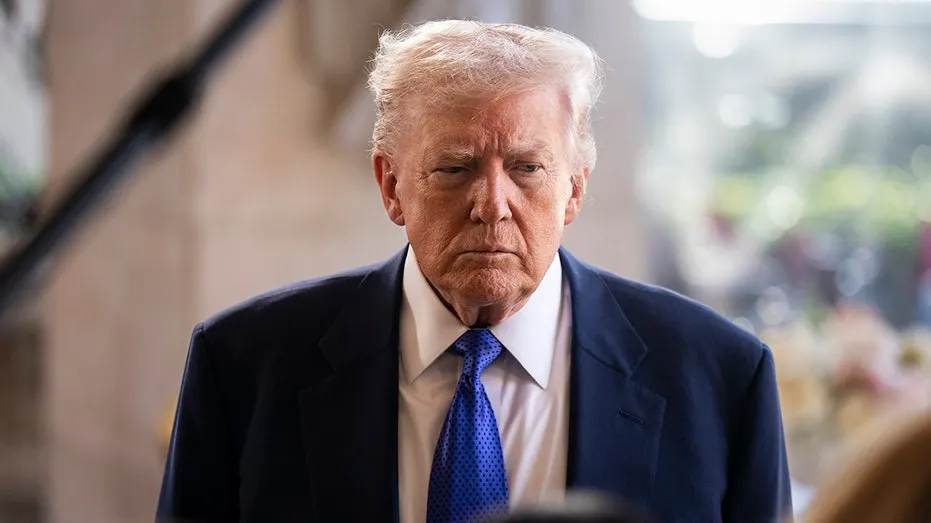
President Donald Trump has downplayed reports that Russia and China are helping Iran, even as members of his own administration acknowledge Moscow and Beijing are providing Tehran with support. He dismissed a claim by Ukrainian President Volodymyr Zelenskyy that Russia had supplied Iran with satellite imagery of US military installations in the Gulf, insisting any such assistance would have been "very unimpactful" given the damage already inflicted on Iran's military.
Trump said he would raise the matter directly with Russian President Vladimir Putin to establish the truth, telling reporters "we'll find out if that's true." Separately, reports suggest China has been supplying Iran with shoulder-launched missile systems via Pakistan, raising concerns about potential threats to US aircraft, though the article does not detail how the administration is responding to those specific claims.
In short
- Trump plays down claims Russia gave Iran US base satellite imagery
- Says any help would be "very unimpactful"; plans to ask Putin directly
- Reports also allege China is arming Iran with missiles via Pakistan
Steelman: both sides, in good faith
The strongest fair case each way — we don't pick a winner.
The case for
Trump's cautious approach reflects sound diplomatic judgment, avoiding public escalation based on potentially unverified claims. By choosing to verify directly with Putin rather than alarm the public, he prevents unnecessary tension; his assessment that satellite imagery or additional aid has limited impact on an already severely weakened Iranian military is a reasonable strategic calculation questioning whether these reports represent a meaningful new threat.
The case against
Trump's downplaying of these reports directly contradicts his own administration's acknowledgement of Russian and Chinese support for Iran, undermining governmental credibility and unity on a genuine security concern. By appearing dismissive of a serious foreign policy issue affecting US regional interests, he risks signalling weakness to allies and adversaries whilst potentially obscuring from the public the significance of coordinated great-power support for a US adversary.
Explained simply
Iran, Russia and China have a long-standing relationship, though the level and type of support between them can vary. Iran is a major regional power in the Middle East, while Russia and China are global powers with their own interests in the region.
The United States has military installations in Gulf countries and has opposed Iran’s military activities and weapons programmes. Satellite imagery can help identify locations and movements, while shoulder-launched missiles can threaten aircraft flying at low altitude.
Ukraine’s president, Volodymyr Zelenskyy, has accused Russia of supplying imagery to Iran; reports have also alleged that China supplied missiles through Pakistan. Such claims matter because outside support could affect risks to US forces and regional security, and because Washington’s relations with Moscow and Beijing are already strained.
Asia Business Europe Markets Middle East Space Technology World