Why Trump Won’t Just Break the Blanche Impasse
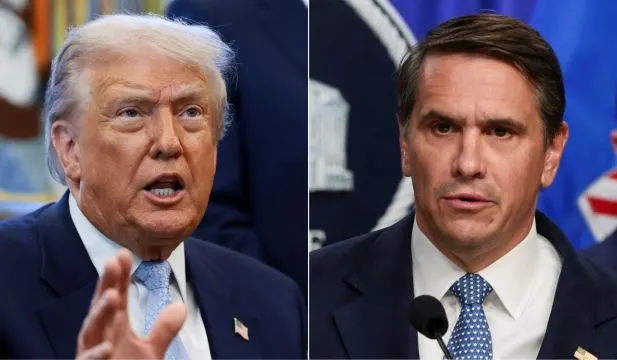
President Trump is unlikely simply to end the dispute blocking Todd Blanche’s attorney-general nomination because the underlying issue involves the administration’s legal and political approach, not merely a personnel disagreement. The impasse matters because it tests whether Republican senators can secure commitments from the Justice Department while Trump seeks to retain Blanche in a powerful acting role.
The standoff centres on demands from Senators John Cornyn and Thom Tillis for written assurances concerning a Louisiana case involving mifepristone, as well as wider concerns about executive power and Justice Department independence. Blanche, Trump’s former personal lawyer and acting attorney general, would need Senate confirmation for the permanent post; the article’s argument is that an immediate presidential intervention could carry legal, policy and political costs.
In short
- The Blanche dispute involves legal and political constraints, not just Trump’s preference.
- Republican senators seek firm assurances from the Justice Department.
- The nomination raises questions about independence and Senate oversight.
Steelman: both sides, in good faith
The strongest fair case each way — we don't pick a winner.
The case for
The President has constitutional authority to appoint senior officials and should not allow Senate confirmation to become a hostage-taking exercise over policy disputes. Republican senators are effectively constraining executive authority by demanding written promises about how the Justice Department will handle specific cases and broader policy questions. The Attorney General should serve the president's agenda within legal bounds, and excessive preconditions represent an improper congressional intrusion into personnel decisions and executive prerogative.
The case against
The Senate has a constitutionally mandated role in confirming attorneys general, and senators are raising legitimate concerns about the Justice Department's institutional independence. Given Blanche's history as Trump's personal lawyer, reassurances about DOJ independence and proper handling of sensitive legal matters are reasonable conditions for confirmation. Circumventing these checks risks reinforcing concerns that the Justice Department could become a political instrument rather than an agency bound by rule of law and professional standards.
Explained simply
The attorney-general leads the US Justice Department, which enforces federal law and represents the government in court. The president nominates someone to the permanent post, but the Senate must approve the choice; until then, an acting attorney-general can run the department.
Todd Blanche, a former lawyer for Donald Trump, is serving as acting attorney-general while seeking the permanent job. Republican senators John Cornyn and Thom Tillis have asked for written assurances about the department’s handling of a Louisiana case involving mifepristone, a medicine used in abortion care.
The disagreement also reflects broader questions about how much control a president should have over the Justice Department and how independent it should be in legal matters. The outcome could affect Blanche’s confirmation and the balance between the White House and senators overseeing appointments.