Why USB-B never became as popular as USB-A or USB-C
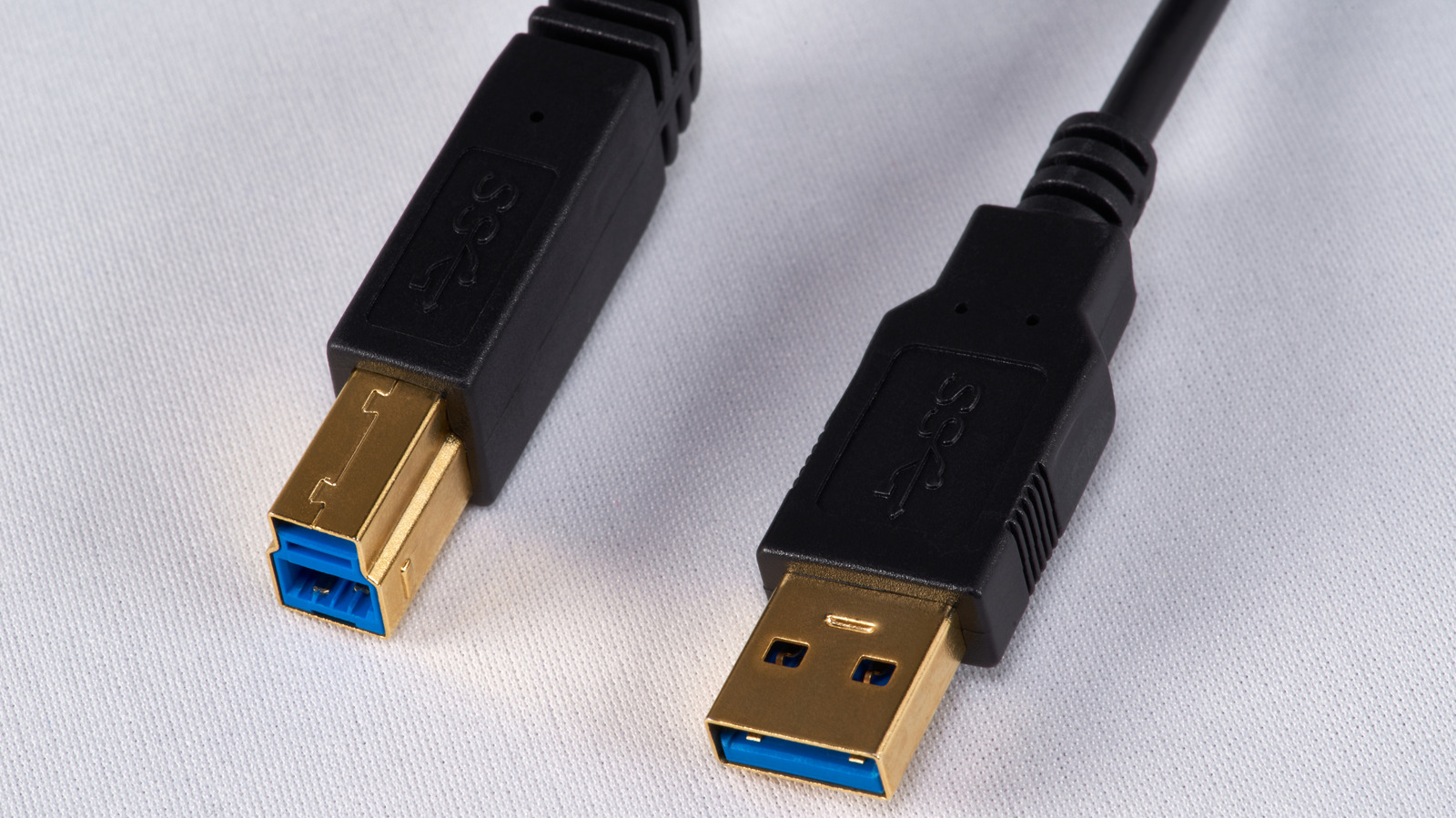
The USB-B connector, introduced alongside USB-A in 1996, was never designed to replace its more familiar sibling but to serve a distinct purpose: connecting peripherals such as printers and external hard drives to host devices. Using two separate connector shapes prevented users from wrongly linking two host or two peripheral devices, and ensured cables could only be inserted the correct way round, with power flowing from host to peripheral. Its bulkier, squarish design made it impractical for portable gadgets, paving the way for the mini and micro-USB standards that followed and eventually for the now-dominant USB-C.
Despite being three decades old, USB-B persists on some modern equipment, including printers and musical instruments, largely due to compatibility and the inconvenience of replacing established cables and workflows. Its secure, less easily dislodged connection also suits office and professional equipment that stays plugged in for long periods without needing to be disconnected. USB-C, by contrast, has become the standard for most consumer electronics thanks to its smaller, reversible design and support for higher bandwidth, power delivery and video output via USB4 and Thunderbolt. USB-B is expected to fade gradually as more devices adopt USB-C, but for now it remains favoured where backward compatibility matters more than newer features.
- USB-B was designed for peripherals, not as an USB-A replacement
- Launched in 1996 alongside USB-A, but too bulky for portable devices
- Still used in printers and music gear thanks to compatibility and stability