World news and discussion on TalkFuse.
Why was this madman on the streets at all? Questions as Huntingdon train knifeman convicted of trying to murder 14
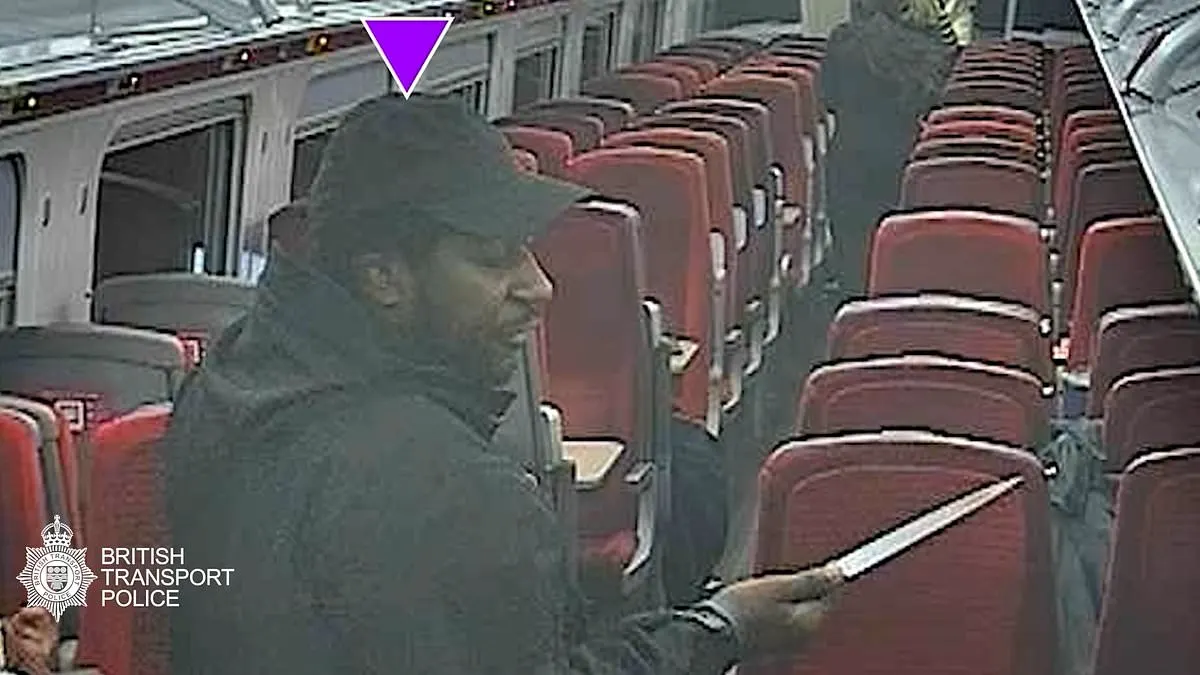
Anthony Williams has been convicted of trying to murder 14 people during a series of attacks across England, including a five-minute stabbing spree on an LNER train. The case has raised questions about whether police or healthcare services could have intervened before the Halloween weekend rampage.
Williams, 33, had schizophrenia and had stopped taking his medication days before the attacks; psychiatrists said he still had the capacity to form intent. Police officers are facing a misconduct hearing over an earlier knife-injury allegation, while NHS England is investigating his care. Ten people were injured on the train, including crew member Samir Zitouni, who suffered life-threatening injuries; Williams remains at Rampton hospital pending sentencing in February.
In short
- Anthony Williams was convicted of attempting to murder 14 people.
- Ten people were injured in a five-minute train attack.
- Police and healthcare decisions before the attacks are under scrutiny.
Steelman: both sides, in good faith
The strongest fair case each way — we don't pick a winner.
The case for
The case warrants scrutiny of whether police and healthcare services missed opportunities to reduce a foreseeable risk, especially given the earlier knife-injury allegation and Williams’s recent treatment history. Examining decisions and care could identify gaps in coordination and help prevent similar harm while ensuring people in crisis receive appropriate support.
The case against
A serious attack does not by itself show that authorities had enough evidence or legal grounds to detain Williams or impose treatment beforehand. Schizophrenia does not automatically make someone violent, and any review should distinguish what was reasonably knowable at the time from what became clear after the attacks, while protecting fair process for those involved.
Explained simply
Schizophrenia is a mental health condition that can affect a person’s thoughts and perceptions. Treatment may include medication and support from health services, but having the condition does not by itself establish why someone committed a crime or whether they were legally responsible.
In England, police investigate reported offences, while NHS services assess and care for people with mental health needs. Concerns about an earlier incident can prompt separate reviews of police conduct and clinical care, which examine what information was available and how agencies responded.
The case involves both the criminal justice system and questions about public services’ roles when someone may pose a risk. Those reviews are separate from the court’s decision on the offences and may inform scrutiny of how agencies work together.