World news and discussion on TalkFuse.
Why we’re giving £100,000 apiece to a horse box gallery, high-street drop-in and Midlands museum
The Freelands Foundation has launched a new award scheme, committing £1.5m over five years to recognise organisations that promote progressive visual art education in museums, galleries and arts organisations across the UK. The initiative comes amid concerns that arts education infrastructure has been eroded, with the Cultural Learning Alliance reporting a 42% fall in arts GCSE entries since 2010, alongside declining support in universities and museum learning teams. Backers argue that culture should be seen as foundational to community renewal rather than an optional extra, echoing comments from Andy Burnham about art's role in helping people make sense of their lives.
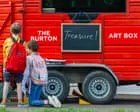
Three organisations have each received £100,000 as the scheme's first winners. Signal, in Barrow-in-Furness, has converted a vacant building into a community art space in a town dominated by shipyard and submarine-building work. Wolverhampton Art Gallery was recognised for youth programmes offering alternative routes into creative careers outside conventional academic paths. The Burton at Bideford in North Devon won for its Burton Art Box, a converted horse box that brings art directly to primary schools that can no longer afford gallery trips, addressing access barriers in a rural area.
In short
- Freelands Foundation gives £1.5m over five years for art education
- Three winners each get £100,000: Signal, Wolverhampton Art Gallery, the Burton
- Aims to counter falling arts education funding and access, including a horse-box gallery
Steelman: both sides, in good faith
The strongest fair case each way — we don't pick a winner.
The case for
Supporters argue that sustained arts education helps young people develop creativity, interpret their experiences and access careers that conventional academic routes may not provide. In places where school visits and local cultural services have been cut back, funding community spaces and outreach can widen access and strengthen local cultural life.
The case against
A cautious view is that charitable awards, even when valuable to recipients, cannot by themselves reverse the wider decline in arts education or replace stable public provision. With limited funds and many competing needs, decision-makers may reasonably ask whether this scheme reaches enough people, how its impact will be assessed and whether the money would do more through schools or other services.
Explained simply
Arts education in Britain takes place in schools, universities and cultural organisations such as museums and galleries. The Freelands Foundation is a charitable funder focused on visual art, and its new award scheme is intended to support organisations that help people learn about and make art.
The first three recipients are Signal in Barrow-in-Furness, Wolverhampton Art Gallery and the Burton at Bideford in North Devon. Their work includes running a community art space, offering young people routes into creative careers and taking art activities to primary schools in a converted horse box.
The scheme comes amid concerns about fewer opportunities to study and engage with the arts, including a reported fall in arts GCSE entries and reduced support for learning in some institutions. Its backers argue that access to art can contribute to community life, while the awards offer one way to support that work.