Simple placement and settings changes can improve smart speaker accuracy
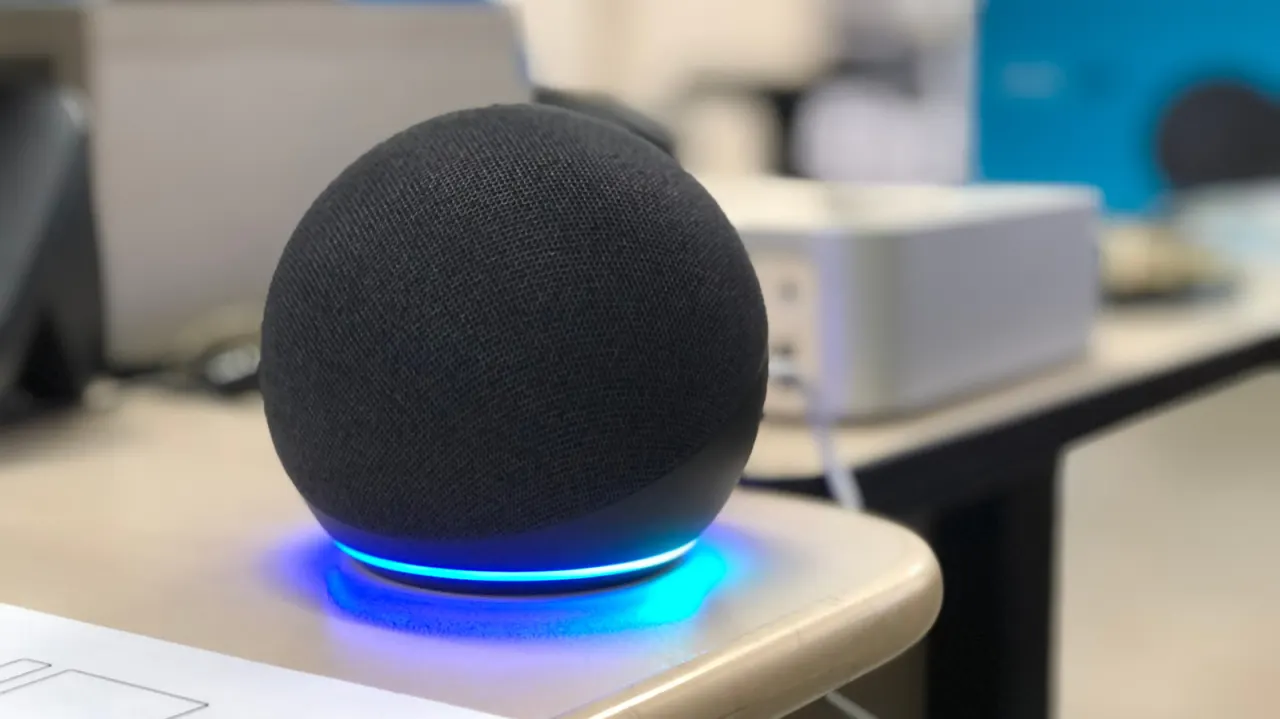
Smart speakers frequently misunderstand voice commands, but most issues have simple fixes. Common causes include poor placement, background noise and proximity problems, though users can resolve these through straightforward adjustments. Making changes to speaker location, cleaning and configuration typically improves comprehension significantly without needing expertise or replacement.
Key troubleshooting steps include cleaning the speaker, moving it away from noise sources and keeping it at least one foot from walls. Users should separate multiple speakers, lower sensitivity settings, and give all smart home devices unique names. Setting up voice recognition (Voice ID for Alexa, Voice Match for Google Home, or Recognize My Voice for HomePod) helps assistants recognise individual speaking patterns, and restarting or factory resetting the device can resolve persistent issues.
- Poor placement and background noise are common causes of smart speaker misunderstanding.
- Physical location changes, cleaning and voice recognition setup can fix most issues.
- As a last resort, try restarting or factory resetting the device.
New here? Start with this
Smart speakers are voice-activated devices sold by companies including Amazon, Google, and Apple. They have become common household items, allowing users to control smart home devices, play music, answer questions, and perform other tasks simply by speaking.
One persistent issue reported by users is that these speakers frequently misunderstand voice commands. Instead of performing the requested action, the devices may fail to respond, misinterpret what was said, or activate when not intended.
This matters because smart speakers depend entirely on voice recognition to function effectively. When they frequently misunderstand commands, they become frustrating to use and people lose confidence in the technology.
Both sides, in good faith
The strongest fair case each way — we don't pick a winner.
The case for
Smart speaker accuracy issues are often environmental or configuration-related – factors like placement, background noise, and sensitivity settings – which means they're readily solvable without requiring replacement or expert help. This demonstrates the underlying technology is sound, and users can improve performance through straightforward adjustments, gaining practical agency over their device experience. The availability of effective simple fixes suggests the products work reliably once properly deployed, which is encouraging for consumers.
The case against
The fact that smart speakers require extensive troubleshooting to achieve acceptable accuracy suggests fundamental problems with current technology maturity. Mainstream consumer products shouldn't require users to carefully manage speaker placement or adjust sensitivity settings to work reliably, and the prevalence of such issues indicates that products marketed as consumer-ready remain inadequately refined. Manufacturers bear responsibility for delivering dependable products without requiring end-user calibration; framing necessary troubleshooting as 'simple' shifts accountability from companies to consumers.
Art Culture Geopolitics Politics
Read the full article at the source →
Originally published by Engadget as “Why your smart speaker keeps misunderstanding you (and how to fix it)”.