Wildfire-ravaged habitats could take centuries to recover, environmentalists say
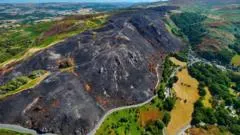
Wales faced multiple large-scale wildfires during summer 2026, with the most significant blazes occurring in the Rhinogydd mountains and Sychnant Pass area. One fire burned for nearly two weeks across over 2,000 acres in a nature reserve, whilst another triggered the evacuation of a nearby village. Officials from Natural Resources Wales expect 2026 to be the worst wildfire year on record for the region. The recovery timeline for affected habitats varies dramatically depending on fire severity—some areas may regenerate within a couple of years, but where flames reach deep into soil and incinerate peat deposits (which accumulate at roughly one millimetre annually), restoration could take several centuries. Loss of soil also increases flooding risk by removing the landscape's natural water-absorption capacity.
Environmental experts link the fire risk to climate change dynamics, noting that milder winters have allowed beetle populations to surge, stripping vegetation and creating drier, more flammable conditions in upland areas. Evidence from a 2018 fire in Denbighshire demonstrates the extended recovery challenge—eight years later, heather remains absent from heavily burned patches. Officials describe the situation as alarming and part of a self-reinforcing cycle where climate conditions increase fire vulnerability and slow ecological recovery.
- Wales experienced severe wildfires in summer 2026, including major incidents affecting over 2,000 acres in Gwynedd and requiring village evacuations
- Environmental officials warn that where fires incinerate peat soil, ecosystem recovery could require centuries rather than years, compounded by climate change effects