Corporate power links AI risks and climate harms, authors argue
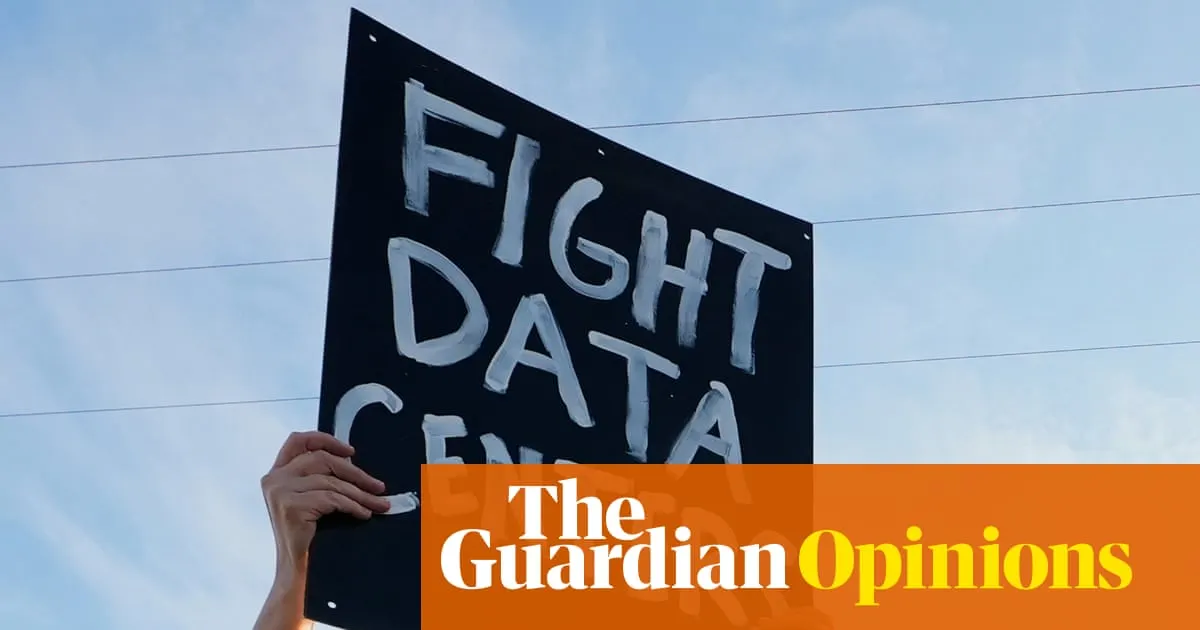
The authors argue that climate change and the risks from AI share a common driver: powerful companies pursuing profit with too little public accountability. They say debate about a possible AI catastrophe can distract from harms already under way, including AI’s role in expanding fossil fuel extraction and spreading disinformation.
They cite a study estimating that AI partnerships between oil companies and technology firms could add 1.8 gigatonnes of carbon dioxide to the atmosphere, and report that at least 120 US data centre projects worth nearly $200bn were blocked or delayed in the first half of 2026. The authors present local opposition as an emerging movement to protect water, land and air, and call for more funding for grassroots groups.
In short
- The authors link AI and climate risks to corporate power.
- AI-assisted fossil fuel projects could add 1.8 gigatonnes of CO₂.
- Community opposition has delayed or blocked 120 US data centre projects.
Steelman: both sides, in good faith
The strongest fair case each way — we don't pick a winner.
The case for
The authors’ case is that both climate damage and AI-related risks can grow when companies make consequential decisions with limited public oversight, while the costs fall on communities and the wider public. Focusing on existing harms such as AI-enabled fossil fuel expansion, disinformation and pressure on local resources is therefore a practical way to demand accountability and support communities seeking a say in data centre development.
The case against
A critic could argue that linking climate harms and AI risks through corporate power risks oversimplifying problems with distinct causes and remedies, and may understate AI’s potential benefits. Delayed or blocked data centre projects can reflect genuine local concerns, but they can also constrain investment and infrastructure; the reported emissions estimate and project figures alone do not establish that stronger restrictions or grassroots funding would produce better overall outcomes.
Explained simply
Artificial intelligence (AI) systems are built and run by technology companies, often using large data centres that consume electricity and water. Oil and gas companies are also working with technology firms to use AI in their operations, including fossil fuel extraction.
Climate change is driven in large part by greenhouse gases released when fossil fuels are used. Concerns about AI include possible future dangers, but also current effects such as its energy use and the spread of false information. The authors argue that company decisions and limited public oversight connect these issues.
Data centres can affect nearby communities through their demands on power and water and their impact on land and air. Some proposed projects in the United States have faced local opposition or delays. The authors say grassroots groups need more support to scrutinise these developments.
AI Business Climate Science Technology
Read the full article at the source →
Originally published by The Guardian as “Will it be AI or the climate crisis that ends humanity? We can make it neither | Adam McKay and Philip Eubanks”.