Sport news and discussion on TalkFuse.
Will the College Football Playoff selection committee embarrass itself again with new rankings? | Ian Miller
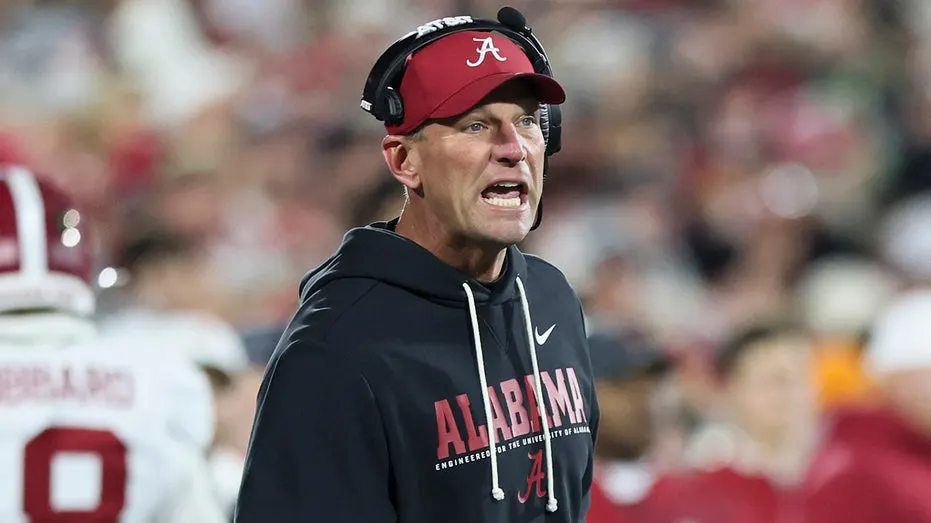
The article argues that the College Football Playoff selection committee’s first two rankings have treated Southeastern Conference teams more favourably than teams from other conferences, raising questions about the committee’s consistency and credibility. It highlights Indiana’s five-place fall during a bye week and says the committee’s explanation makes its reasoning difficult to assess.
Committee chair Hunter Yurachek said losses by Indiana’s previous Big Ten opponents hurt the team’s strength-of-schedule standing, and also cited concerns about Indiana’s offence. The article contrasts this with Alabama, noting that five of its non-Vanderbilt opponents also lost that week; those teams had a combined 27-23 record, with eight wins against lower-level opponents. The supplied article text ends mid-sentence, so it does not include the author’s full comparison or conclusion.
In short
- Indiana dropped from fourth to ninth during a bye.
- The committee cited Indiana opponents’ losses and offensive concerns.
- The article questions whether the committee applies its standards consistently.
Steelman: both sides, in good faith
The strongest fair case each way — we don't pick a winner.
The case for
The committee can reasonably consider the quality of a team’s opponents and how well it has played, not just its win-loss record. If Indiana’s earlier opponents lost and the committee had concerns about its offence, those factors could support a lower ranking, provided they are applied consistently across teams.
The case against
A five-place drop during a bye week is difficult to justify if comparable changes in opponents’ records do not affect other teams similarly. The committee’s credibility depends on clear, consistent explanations; without them, favouring some conferences may appear to outweigh results on the field.
Explained simply
The College Football Playoff is the system used to decide which teams compete for the US college football national championship. A selection committee ranks teams during the season and chooses the play-off field, weighing factors such as results, opponents’ records and how teams have played.
The Southeastern Conference (SEC) and Big Ten are two major college football conferences. Indiana and Alabama are among the teams being compared in the debate over whether the committee applies its criteria consistently; Hunter Yurachek is the committee’s chair.
The rankings matter because a team’s position can affect its chance of reaching the play-offs. The debate centres on how much weight to give a team’s schedule and performance, and whether the committee explains those judgements clearly enough for its decisions to be assessed.