Sport news and discussion on TalkFuse.
Will the WNBA’s unserious, weekly sitcom destroy one of the greatest opportunities for women athletes?
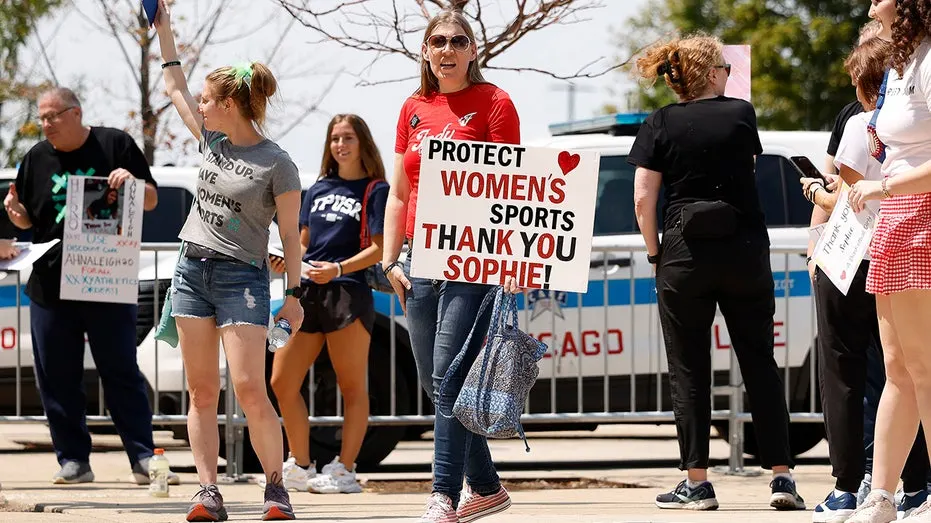
An opinion piece from Fox Sports' Outkick argues that the WNBA's handling of the debate over transgender inclusion, sparked by player Sophie Cunningham's comments opposing biological males in women's sports and locker rooms, has damaged the league's credibility. The article contends that league officials, team owners and coaches have either avoided the issue or sided against Cunningham and her supporters, which the author claims undermines the league's founding purpose of protecting opportunities for women and girls in sport.
The piece cites a month of incidents including protests outside games, fans being told to cover shirts referencing biological sex, a former NBA player ejected for wearing a shirt defining "woman" as "adult human female," and two teenage girls being sworn at by a Seattle Storm co-owner for displaying a supportive sign. It also highlights a league "task force" that has yet to produce a clear eligibility definition, and quotes several coaches—including Alex Sarama, Natalie Nakase and Cheryl Reeve—giving what the author characterises as evasive or dismissive responses, while referencing cases of girls such as Ahnaleigh Wilson and Kessa Benner who say they lost competitions to biological males.
In short
- Opinion piece criticises WNBA's response to Sophie Cunningham's transgender sports comments.
- Cites protests, an ejection, and abuse directed at teenage Cunningham supporters.
- Says a league "task force" has yet to define women's eligibility criteria.
Steelman: both sides, in good faith
The strongest fair case each way — we don't pick a winner.
The case for
A women’s league has a responsibility to protect fair competition and opportunities for female athletes, and supporters of Cunningham argue that eligibility rules should address the effects of biological sex. They say that unclear policies and dismissive responses from league leaders risk undermining trust, particularly when athletes and families raise concerns about fairness and safety. They also argue that a task force should produce a transparent, evidence-based definition rather than leave players and fans uncertain.
The case against
The league also has a responsibility to include transgender athletes and treat them with dignity, while making eligibility decisions through a considered, consistent process. Those defending the WNBA’s cautious approach may argue that complex rules should be developed with medical and sporting evidence, rather than in response to protests or individual public comments. They may also see confrontational demonstrations and disputes over clothing as contributing to a hostile environment, and argue that a delay in announcing policy does not by itself show that the league has abandoned women’s sport.
Explained simply
The WNBA is the top professional women’s basketball league in the United States. It was founded in 1996, and debates about who can compete in women’s sport connect questions of inclusion with the league’s role in providing opportunities for women athletes.
The dispute concerns whether transgender women should be eligible to play in women’s leagues, and what rules should apply. Players, coaches, league officials and team owners have different roles in shaping the discussion, while fans and young athletes are also affected by how the league responds.
The issue matters beyond basketball because sporting bodies must weigh participation and inclusion alongside fairness and safety. Rules can shape who gets to compete, and how clearly those rules are explained can affect trust in the league.