Wim Wenders Clarifies His Stance on Filmmakers’ Role in Politics After Berlin Controversy: ‘We Are the Opposite of Politicians … We Are the Antidote’
Developed over time first seen 2 months ago
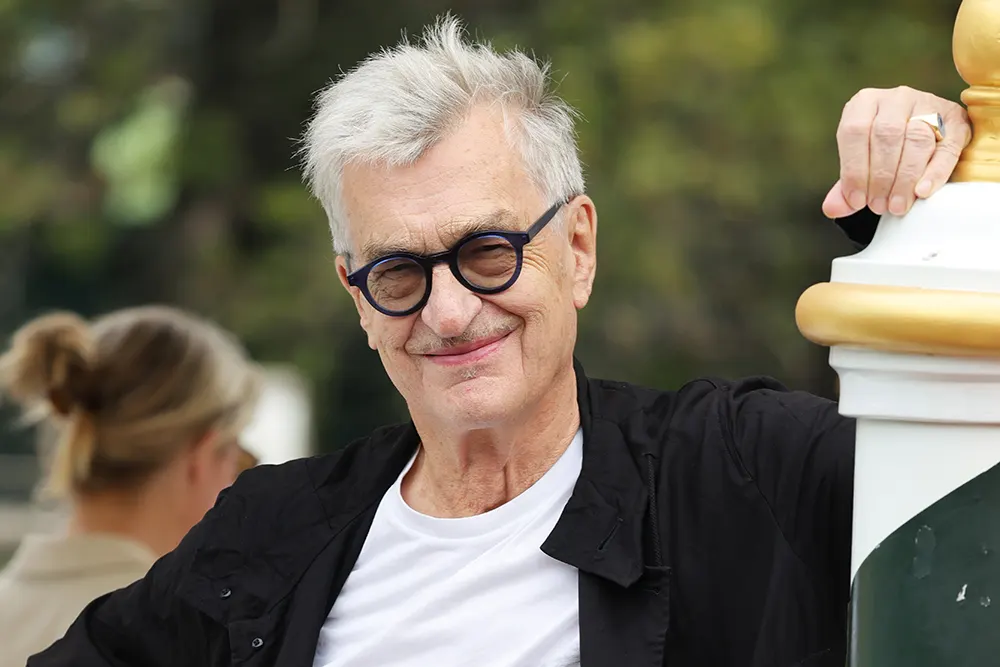
Wim Wenders has moved to settle the controversy sparked by his remarks on filmmakers and politics, insisting at the Venice Film Festival that he was misquoted after his original comments caused a prolonged row at February's Berlin Film Festival. Speaking on Sunday while promoting his documentary "From Inside Out — The Architecture of Peter Zumthor," he said his real point was about mindset rather than avoidance: filmmakers work with empathy and seek to change things, unlike politicians, whom he described as operating without empathy and merely confirming the status quo, making filmmakers, in his words, "the antidote" to politics rather than people obliged to steer clear of it.
The row began at the Berlinale in February, where Wenders served as jury president and told the opening press conference that filmmakers "should stay out of politics," a remark that dominated the festival's press conferences as attendees were repeatedly pressed on the Gaza conflict and US immigration raids. Author Arundhati Roy withdrew from the festival in protest, and director Tricia Tuttle had to issue a statement addressing the backlash. At Venice, Wenders reiterated his original message while framing it more explicitly, and jury president Maggie Gyllenhaal separately argued that films are "fundamentally, undeniably political," rooting her view in cinema's capacity to foster empathy.
- Sources
- 2
- Outlets
- 2
- Left · Centre · Right
- 0 · 0 · 0
In short
- Wenders says Berlinale remarks on politics were misquoted, not a retraction
- He calls filmmakers "the antidote" to politics, driven by empathy
- Row forced Berlinale statement and Arundhati Roy's festival withdrawal in February
How this story developed
- 2 months ago Wim Wenders has expanded on his controversial comments about filmmakers and politics, insisting at the Venice Film Festival that he was misquoted after his original remarks caused a monthslong row at February's Berlin Film Festival.
- 2 months ago Filmmaker Wim Wenders has moved to clarify comments he made at the Berlin Film Festival in February, when a remark suggesting filmmakers "should stay out of politics" sparked a prolonged controversy across the event.
- 2 months ago Wim Wenders has moved to settle the controversy sparked by his remarks on filmmakers and politics, insisting at the Venice Film Festival that he was misquoted after his original comments caused a prolonged row at February's Berlin Film Festival.
Full account
Wim Wenders has revisited the remarks that dominated headlines at this year's Berlin Film Festival, insisting that he was misunderstood rather than mistaken. The German director, who chaired the Berlinale jury in February, provoked weeks of debate after telling the festival's opening press conference that filmmakers "should stay out of politics", arguing that overtly political films risk becoming propaganda rather than cinema. Speaking in Venice, where he is presenting his new documentary about the architect Peter Zumthor, Wenders said he stood by the substance of what he had said but accepted he could have expressed it more clearly.
Pressed on the subject at his Venice press conference, Wenders said his original point had been about mindset rather than subject matter. Politicians, he argued, operate without empathy and are primarily concerned with defending the status quo, whereas filmmakers work from a place of empathy and seek to change things. He rejected the widely circulated summary of his Berlin comments – that film-makers "have to stay out of politics" – as a misquotation, insisting he had said essentially the same thing on both occasions but that the nuance had been lost. Directors, he said, should not adopt the mindset of politicians, and rather than retreating from public life, film exists as a corrective to it: in his words, "we are the antidote".
The Berlinale row had engulfed the festival earlier in the year, coming amid the war in Gaza and, according to one account, US immigration raids, with journalists subsequently pressing almost every director and actor on the red carpet for their views on politics. The controversy prompted the novelist Arundhati Roy to withdraw from the festival in protest, and forced festival organisers to issue public statements addressing the row and the fraught press conferences that followed. Wenders's return to the subject in Venice showed the episode still shadows him some seven months on.
The Venice festival has itself become a venue for debating cinema's relationship with politics: its jury president, Maggie Gyllenhaal, used her own opening press conference to argue that film is inescapably political, suggesting that empathy generated by watching movies has real value even, or especially, at a time of global crisis. Coverage of Wenders's clarification varied in detail – one account noted his choice of an "Imagine Peace" T-shirt and identified the questioner only generally, while another specified that the question came from a Guardian journalist and placed greater emphasis on the scale of the media reaction and the multiple statements issued by Berlinale organisers. Read together, the reports suggest Wenders remains convinced of his original argument, even as he concedes it was easily, and perhaps inevitably, misread.
Where outlets differ
From the full account, which is AI-written from the sources:
Source 1 (apparently Variety) adds detail not in Source 2, including Maggie Gyllenhaal's comments on cinema being political, Wenders's 'Imagine Peace' T-shirt, the specific mention of ICE raids in the US as part of the Berlin backdrop, and names festival director Tricia Tuttle as the one who issued a statement.
Source 2 (Deadline) identifies the questioner in Venice as a Guardian journalist, a detail absent from Source 1, and frames the Berlin backdrop more narrowly around the war in Gaza, without mentioning US immigration raids.
Source 2 places more emphasis on the scale of the 'media storm' and notes multiple festival statements, while Source 1 focuses more on individual press-conference dynamics and other reactions, such as Roy's withdrawal.
Steelman: both sides, in good faith
The strongest fair case each way — we don't pick a winner.
The case for
Those sympathetic to Wenders' position argue that cinema's power lies precisely in its refusal to lecture or take sides: a film that turns into a political tract risks becoming propaganda, forfeiting the empathy and nuance that let audiences of differing views find common ground. On this view, festivals exist to showcase artistic expression rather than to serve as platforms for activism, and pressing every director and juror to declare a position on Gaza or immigration policy conflates the job of a filmmaker with that of a politician, diminishing both. Insisting that art can change hearts without prescribing political conclusions is, for these advocates, not evasion but a defence of what makes cinema distinctively valuable.
The case against
Critics of that stance argue that claiming art or artists can stand outside politics is itself a political choice, one that conveniently spares festivals and public figures from taking a position during moments of grave injustice. They contend that every film reflects and shapes political reality, so urging filmmakers to stay above the fray risks silencing exactly those voices, such as Arundhati Roy's, who feel a moral duty to speak out on issues like Gaza or immigration raids when they have a public platform to do so. For this camp, empathy and political engagement are not opposites but companions, and treating them as separable lets institutions dodge accountability under the guise of artistic neutrality.
Explained simply
Wim Wenders is a veteran German film director, known for works such as "Paris, Texas" and "Wings of Desire", who also chairs juries at major film festivals. Earlier this year, while presiding over the Berlin Film Festival's jury in February, he sparked a lengthy row by suggesting filmmakers should stay out of politics, at a time when reporters were pressing festival guests about the Gaza conflict and immigration raids in the United States. The remark led to protest, including the withdrawal of author Arundhati Roy from the festival, and forced the festival's director to respond publicly.
Wenders has now revisited the issue at the Venice Film Festival, a separate and prestigious event where he was promoting a new documentary about the architect Peter Zumthor. He says his original comment was misunderstood, and that he sees filmmakers as fundamentally different from politicians because they act with empathy rather than simply upholding things as they are.
The debate matters because it touches on a recurring question in the arts: whether filmmakers and other public figures have a duty to speak out on political issues, or whether their work should remain separate from politics. The discussion resurfaced at Venice's own opening press conference, where this year's jury president, actress and director Maggie Gyllenhaal, offered a differing view, arguing that films are inherently political.
Coverage · 2 sources
Entertainment Film Government Politics