Science news and discussion on TalkFuse.
Winemakers are learning that conservation can be good for business
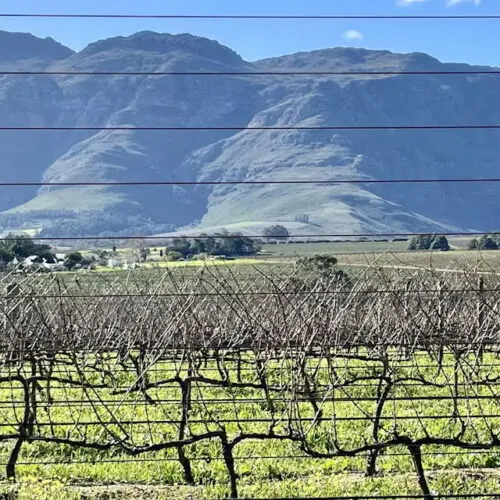
Winemakers in South Africa’s Western Cape are increasingly using conservation practices to help vineyards withstand drought, heat and erratic rainfall. A study of 107 vineyards found that many operators view protecting soil, water and wildlife habitat as a way to support long-term business success, as well as biodiversity.
The region produces about 90 per cent of South Africa’s wine and contains the Cape Floral Region, a global biodiversity hotspot. Growers described restoring native vegetation, removing invasive plants, planting cover crops and using compost and mulch to improve water retention, soil health and erosion control. Industry certification standards also encourage lower environmental harm through rules on pesticides, water and wastewater, with independent audits.
In short
- Conservation can help vineyards adapt to harsher conditions.
- Growers use native plants and cover crops to protect soil and water.
- A study examined stewardship practices at 107 Western Cape vineyards.
Explained simply
South Africa’s Western Cape produces most of the country’s wine and lies within the Cape Floral Region, an area known for its unusually rich plant life. Vineyards there face drought, high temperatures and less predictable rainfall, which can affect grape harvests and the land they depend on.
Winemakers can restore native plants, remove invasive species and cover bare soil with crops, compost or mulch. These practices can help soil hold water, limit erosion and provide habitat for wildlife. Industry certification schemes also set rules for water use, pesticides and wastewater, and check whether producers meet them.
Protecting soil, water and local plants may help vineyards remain productive over time, while also supporting the region’s biodiversity. For growers, the question is how these environmental measures fit with the practical and financial needs of running a vineyard.
Read the full article at the source →
Originally published by Ars Technica as “Winemakers are learning that conservation can be good for business”.