WNBA Coaches Stake Contrasting Positions on Transgender Athletes as Activism Intensifies
Developed over time first seen 2 months ago
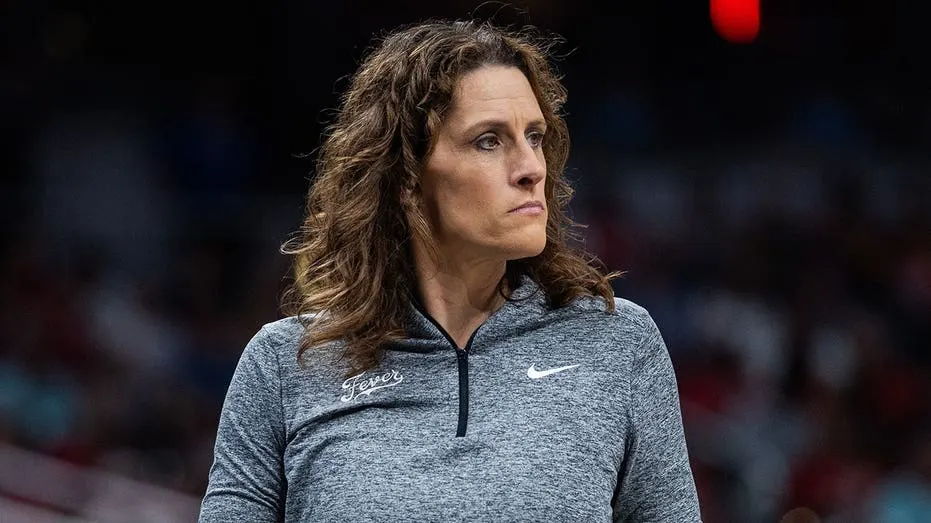
Two WNBA coaches publicly addressed the contentious issue of transgender participation in women's sports ahead of a matchup between the Indiana Fever and Minnesota Lynx. Fever head coach Stephanie White demurred from taking a stance, stating she lacked adequate scientific grounding to weigh in on whether males should compete in women's categories. Her reluctance drew pushback from commentators who viewed her response as evasive rather than engaging with the substantive question.
In contrast, Minnesota Lynx coach Cheryl Reeve offered explicit backing for transgender athletes in women's sports. The game drew external attention when a "Save Women's Sports" demonstration was held outside the arena, highlighting the friction between opposing activist groups. The divergent public postures from the two coaches underscore how polarised the conversation has become within professional women's basketball, with organised activism on both sides increasingly prominent during the season.
- Indiana Fever coach Stephanie White declined to state a position on transgender athletes in women's sports, citing insufficient scientific knowledge
- Minnesota Lynx coach Cheryl Reeve publicly endorsed transgender athletes' right to compete in women's sports
- A 'Save Women's Sports' demonstration outside the arena reflected the intensity of activism surrounding WNBA inclusion policies
New here? Start with this
The WNBA is the top professional women's basketball league in the United States, and questions about transgender athletes taking part in women's sport have become a widely debated topic across many sports in recent years. This is not a new controversy, but it has increasingly touched professional basketball as coaches, players and fans are asked to comment publicly.
Stephanie White coaches the Indiana Fever, while Cheryl Reeve coaches the Minnesota Lynx, two teams that play each other in the league. Both are senior figures whose views carry weight within the sport, which is why their differing responses on this issue have drawn attention. Outside their games, campaign groups on different sides of the debate have also become more visible, sometimes staging protests near venues.
The wider significance is that professional sports leagues are increasingly being drawn into a debate that touches on science, fairness, inclusion and identity, areas where there is no single agreed position among athletes, coaches or campaigners. How individuals in high-profile roles choose to respond, whether by taking a clear stance or declining to do so, has itself become part of the story, reflecting how divisive and closely watched this issue has become within women's sport.
Both sides, in good faith
The strongest fair case each way — we don't pick a winner.
The case for
Advocates for transgender inclusion argue that sport should reflect the same principles of dignity and non-discrimination that apply elsewhere in public life, and that blanket exclusion punishes individuals for who they are rather than for any demonstrated competitive advantage. They point out that policies allowing inclusion, often paired with sport-specific eligibility criteria such as hormone therapy requirements, can balance fairness with the right of transgender women to participate in a category consistent with their gender identity. Many in this camp also note that broad claims of overwhelming physical advantage are contested by some sports scientists and that each case, and each sport's physical demands, may warrant individual assessment rather than blanket rules.
The case against
Those advocating for restrictions argue that female sporting categories exist precisely because average differences in strength, speed and physiology arising from male puberty create a meaningful competitive gap, and that protecting those categories is essential to preserving fair competition and opportunities that women fought hard to secure. They contend that even with hormone suppression, some physical advantages may persist, and that safety considerations in contact or high-intensity sports add further weight to caution. This view is often grounded not in hostility towards transgender people but in a belief that sex-based categories serve a specific protective purpose that risks being undermined without clear, consistently applied eligibility standards.
Coverage
- Fox News — Stephanie White, let me ‘educate’ you on the science of why men don’t belong in women’s sports
- Fox News — Lynx coach defends trans athletes ahead of big game vs Fever with Sophie Cunningham rally scheduled outside