WNBA players, coaches refuse to explain national anthem absences amid mounting criticism
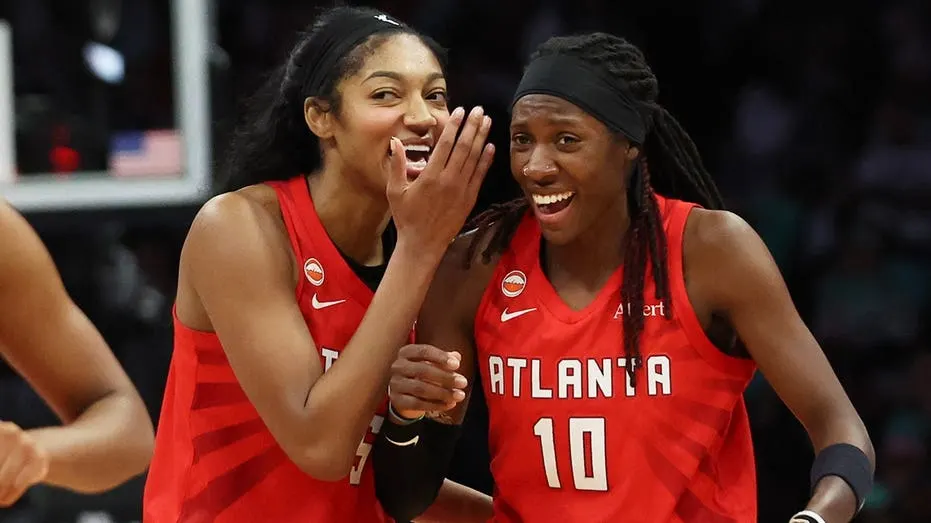
Golden State Valkyries and Atlanta Dream players have been off court during the US national anthem before each of the first three WNBA Finals games, returning just after it ends. The practice has drawn criticism and questions about whether it is a protest, but Golden State coach Natalie Nakase and forward Gabby Williams said it was a pregame routine and did not explain who established it or why.
Nakase said the routine had been part of the team’s pregame preparations for its two seasons, while Williams said it had been in place for about seven years across her WNBA career; Williams denied it was a protest. The article notes that teams have previously linked anthem absences to political messages, including the Los Angeles Sparks in 2017 and Atlanta in 2020. Dream guard Rhyne Howard, who stood for the anthem while representing the US at the FIBA Women’s Basketball World Cup, was also asked about calls to exclude players from Team USA over anthem conduct.
In short
- Valkyries and Dream players left the court during the anthem in three Finals games.
- Coach Nakase and Gabby Williams called it a longstanding routine.
- Neither explained who began the practice or its purpose.
Steelman: both sides, in good faith
The strongest fair case each way — we don't pick a winner.
The case for
Players and teams may reasonably treat anthem time as part of their private pregame routine, and they are not obliged to explain every logistical choice publicly. Given the players’ account that the timing predates this Finals and Williams’s denial that it is a protest, criticism risks assigning political meaning without clear evidence. Respect for their autonomy and fair treatment supports hearing their explanation without assuming a hidden message.
The case against
Because the anthem is a prominent civic ritual and teams have previously used anthem absences to make political statements, spectators may reasonably read repeated absences as meaningful and ask for clarity. The players’ brief explanations leave unanswered who set the routine and why, so critics can argue that fuller disclosure would help distinguish ordinary preparation from protest. They may also see participation in a national team as carrying expectations of public respect for the anthem, while still recognising that players can choose how to express themselves.