Sport news and discussion on TalkFuse.
WNBA silent after Caitlin Clark says leagues should determine who should be included in women’s sports
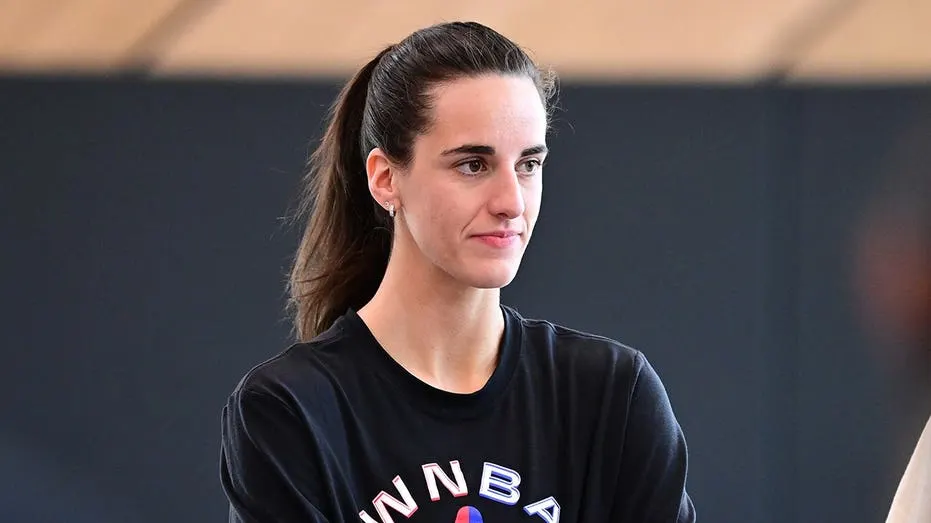
Indiana Fever star Caitlin Clark has said that individual sports leagues should be responsible for deciding who is eligible to compete in women's sports, remarks made amid an ongoing debate within the WNBA over the inclusion of transgender athletes. The league itself has so far declined to comment on her statement, even though its own recently signed collective bargaining agreement with the players' union already states that only female players are eligible to play in the WNBA.
The issue has become increasingly prominent following incidents involving players such as Sophie Cunningham, and after a WNBA coach wore a "Trans Kids Belong" T-shirt during a Fever-Lynx game, while Golden State Valkyries coach Natalie Nakase has publicly defended the inclusion of transgender athletes. Clark's comments add a prominent player's voice to a wider culture-war debate that has been intensifying across women's professional sports, with the WNBA's silence on her remarks likely to draw further scrutiny given the clause already written into its labour agreement.
In short
- Caitlin Clark says leagues should decide who plays in women's sports.
- WNBA has not responded to her comments publicly.
- WNBA's own CBA states only women are eligible to play.
Steelman: both sides, in good faith
The strongest fair case each way — we don't pick a winner.
The case for
Transgender women are women and deserve equal dignity and participation in sport. Supporters argue that carefully designed eligibility requirements—including hormone therapy and medical monitoring—can adequately address performance differences whilst enabling authentic participation. They contend that blanket exclusions constitute discrimination and that the relatively small number of transgender elite athletes means inclusive policies need not substantially compromise fair competition for cisgender female athletes.
The case against
Women's sports categories exist specifically to protect competitive opportunities and fairness for female athletes who were historically excluded from sport. Critics argue that biological advantages from male puberty—including bone density, muscle mass, and cardiovascular capacity—can persist significantly despite hormone therapy, potentially undermining the fairness that gives women's sports meaning. They maintain that preserving the integrity and distinctiveness of women's sports is essential to protecting the hard-won progress of female athletics and should not be sacrificed in favour of inclusion.
Explained simply
The WNBA is the top professional women’s basketball league in the United States. Its teams and players are covered by a collective bargaining agreement, a contract negotiated between the league and the players’ union that sets workplace rules.
Debate over transgender athletes’ participation in women’s sports has reached leagues and governing bodies across several sports. In the WNBA, players and coaches have expressed differing views, while the league’s agreement with the union says players must be female.
Eligibility rules matter to athletes, teams and leagues, and can affect who is able to compete. The question of who should set those rules is part of the wider discussion about how women’s sports are organised.