Sport news and discussion on TalkFuse.
WNBA’s lack of clarity on gender eligibility policy is ‘herald of the times culturally,’ ex-NBA player says
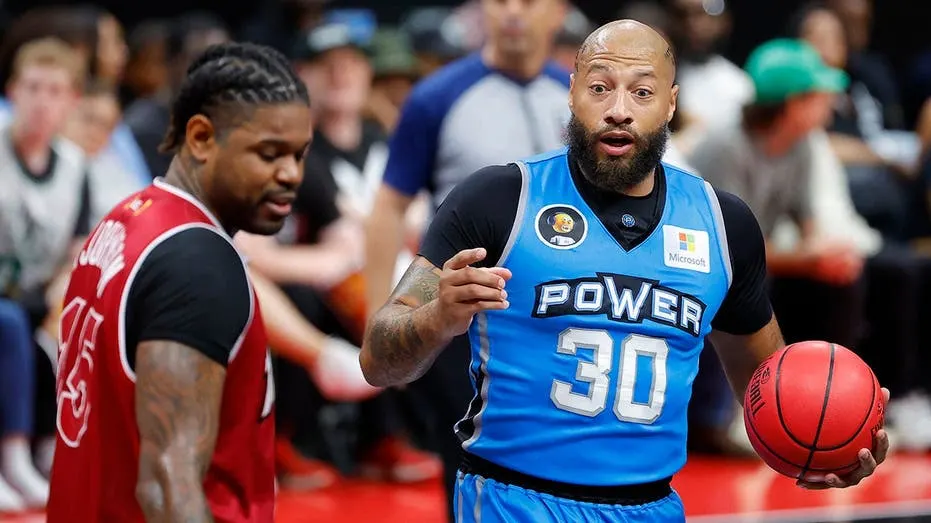
Former NBA player Royce White criticised the WNBA's handling of the transgender athlete debate, telling Fox News Channel's "Fox & Friends Weekend" that the league's lack of a clear gender eligibility policy reflects a broader cultural shift in the United States. He argued the WNBA exemplifies what he called the country "losing a lot of things," suggesting the controversy could threaten the league's recently expanded fan base.
White, who said he intends to declare for the 2027 WNBA Draft, made the comments after being asked whether growing scrutiny over transgender inclusion policies could damage the league's popularity. The interview offered no detail on any specific WNBA policy changes or incidents, framing the issue instead as part of a wider cultural debate around gender eligibility in women's sport.
In short
- Royce White criticised WNBA's unclear transgender athlete eligibility policy.
- He called it a sign of broader cultural change in America.
- White said he plans to declare for the 2027 WNBA Draft.
Steelman: both sides, in good faith
The strongest fair case each way — we don't pick a winner.
The case for
Those advocating for explicit gender eligibility policies argue that sporting organisations have a fundamental duty to maintain competitive fairness and institutional credibility through transparent standards. They contend that clear policies serve everyone—athletes, administrators, and fans alike—by eliminating ambiguity and arbitrary decision-making, and that public confusion threatens the league's growth and legitimacy.
The case against
Those supporting inclusive approaches argue that transgender women are women and deserve equal participation based on individual assessment rather than categorical restrictions. They contend that current media scrutiny is disproportionate to the actual prevalence of transgender athletes in professional sports, and that evidence-based policies can accommodate both competitive integrity and inclusion without the damage that blanket restrictions might cause.
Explained simply
The WNBA is the United States’ professional women’s basketball league. Like other sports bodies, it may set rules about who can compete; questions about transgender athletes and eligibility have become part of wider debates over fairness, inclusion and how women’s sport should be organised.
Royce White is a former NBA player who says he plans to enter the WNBA Draft in 2027. He criticised the league in an interview on Fox News, arguing that uncertainty about its approach reflects wider cultural changes in the United States.
The debate matters because eligibility rules can affect athletes’ ability to compete and shape how leagues are viewed by players, supporters and sponsors. The account of White’s interview does not identify a particular WNBA rule change or incident.
Basketball Government Politics Sport World