Sport news and discussion on TalkFuse.
WNBPA issues statement embracing diversity and inclusion amid trans athlete debate in women’s sports
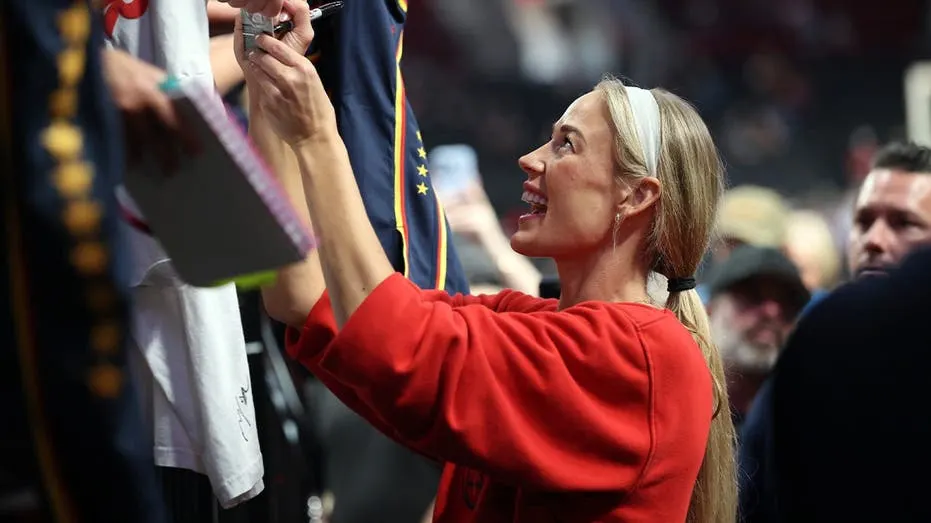
The Women’s National Basketball Players Association issued a statement supporting diversity and inclusion as debate over transgender participation in women’s sport continued. The intervention matters because the WNBA and its players’ union have become part of a wider public argument about how sporting bodies should balance inclusion with sex-based categories and competitive fairness.
The statement praised the range of players’ “lived experiences, cultures, lifestyles, and opinions”, according to the article. It followed heightened attention around women’s sport, including a rally in Minneapolis supporting WNBA player Sophie Cunningham’s advocacy for sex-protected spaces; the article says transgender activists confronted and harassed some attendees.
In short
- WNBPA backed diversity amid transgender-sport debate.
- Statement recognised differing players’ experiences and views.
- Debate intensified around a Minneapolis women’s-sport rally.
Steelman: both sides, in good faith
The strongest fair case each way — we don't pick a winner.
The case for
Advocates for inclusive policies argue that trans athletes deserve recognition and opportunity to participate. They contend that inclusion reflects values of dignity and non-discrimination, that the science on athletic advantage is more nuanced than sometimes portrayed, and that sport should welcome all women who identify as such. They emphasise that rigid exclusions risk serious harm to vulnerable people whilst pointing to inclusive policies functioning successfully at various competitive levels.
The case against
Supporters of sex-protected categories argue that biological sex-based divisions are foundational to fair competition and women's sport itself. They contend that testosterone-related advantages in muscle mass, bone density, and cardiovascular capacity create genuine competitive fairness concerns, and that women's sports categories exist specifically to ensure female athletes have equal opportunity to compete. They argue this distinction protects the integrity and value of women's athletic achievements.
Explained simply
Women’s sports have long been organised into categories, including women’s leagues, to shape competition and participation. Debate over transgender athletes centres on how sporting bodies should set rules for entry into those categories, balancing inclusion with sex-based eligibility and competitive fairness.
The Women’s National Basketball Players Association represents players in the WNBA, the US professional women’s basketball league. Its views matter because the league and its players are part of a wider discussion about how women’s sport should respond to these questions.