Woke Brooklyn lawmaker suggests shoplifting should be LEGALIZED because thieves have ‘biological need’ for the things they steal
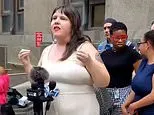
Emily Gallagher, a Democratic Socialist member of the New York State Assembly representing parts of Brooklyn, has sparked controversy after suggesting that shoplifting basic items such as toothpaste and soap should not be criminalised. In a speech, she argued such thefts are "crimes of poverty" driven by "biological need" and accused society of protecting billion-dollar chains like CVS and Walgreens over people struggling to get by. The remarks matter because they touch on an ongoing debate in major US cities over rising retail theft, store security measures and the effectiveness of progressive criminal justice policies.
Gallagher, who represents the wealthy Williamsburg and Greenpoint areas, called for "treatment not jail" responses and urged fellow progressives to defend existing reform policies against what she called right-wing fearmongering. Her comments were widely criticised online, with a journalist noting that stolen goods are often resold via fences rather than used out of need, and other commentators arguing that decriminalising theft would undermine property rights and public order. She has previously appeared alongside New York City's socialist mayor Zohran Mamdani, and her stance echoes similar comments made by actress Cynthia Nixon in 2021 regarding CVS security measures.
- Brooklyn assemblywoman says stealing toothpaste, soap shouldn't be punished
- She calls such theft a "crime of poverty," driven by "biological need"
- Comments drew heavy online backlash calling the view naive or dangerous
New here? Start with this
Shoplifting is taking goods from a shop without paying, and is generally a criminal offence in New York and elsewhere in the United States. Cases can range from stealing food or other essentials to organised theft for resale, and the circumstances can affect how police, prosecutors and courts respond.
Emily Gallagher is a Democratic member of the New York State Assembly who represents part of Brooklyn. Her reported comments refer to the idea that people in severe hardship may steal to meet basic needs, raising questions about whether the law should treat such cases differently from other theft.
The debate sits within wider arguments about poverty, public safety and the pressures facing retailers. Critics of looser enforcement say it could encourage theft, while supporters of alternatives to prosecution argue that punishment alone may not address homelessness, hunger or lack of access to essential goods.
Both sides, in good faith
The strongest fair case each way — we don't pick a winner.
The case for
Supporters may argue that criminal law should recognise genuine necessity, particularly when people take food, hygiene products or other essentials because poverty or crisis has left them without viable alternatives. They may favour prosecutorial discretion, diversion or hardship defences rather than punishment, on the grounds that addressing deprivation is more humane and more effective than imposing fines or criminal records on vulnerable people.
The case against
Critics may argue that theft laws need clear, consistently enforced boundaries to protect shopkeepers, workers and customers, especially small businesses that absorb the cost of losses. They may accept that poverty requires stronger social support while maintaining that broad exemptions or ambiguous standards could encourage repeat offending, make enforcement unfairly subjective and fail to address the harm caused to local communities.