Woman granted UK settled status is left stranded in Spain after Home Office database mixes her up with identical twin sister
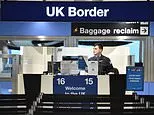
A British Columbia-based woman with settled status in the UK was blocked from boarding a flight home from Spain after the Home Office's digital eVisa system confused her immigration record with that of her identical twin sister. Nidia Webb, who has lived in the UK for eight years and was granted status under the post-Brexit EU settlement scheme, was left stranded as her plane departed without her, only resolving the error after hours on the phone to civil servants. The case highlights persistent problems with the Home Office's shift away from physical residence documents towards a digital-only eVisa system.
The Home Office apologised and said the fault had been fixed, but mistakenly sent confirmation of the correction to her twin's email address rather than her own, leaving Ms Webb unaware until she was cleared to board a replacement flight, which she paid for herself and has not yet been reimbursed for. Campaign group the3million said such mix-ups are a known and recurring issue, and in 2024 it emerged that over 76,000 people had had their details muddled on the Home Office's Person Centric Data Platform. A Home Office spokesman said more than 10 million people had used eVisas successfully and that most errors were resolved within 24 hours.
In short
- Home Office eVisa system mixed up identical twins' immigration records
- Woman stranded in Spain, missed flight, had to pay for new one
- Case highlights wider known flaws in UK's digital visa database
Steelman: both sides, in good faith
The strongest fair case each way — we don't pick a winner.
The case for
The eVisa system has created documented problems affecting tens of thousands of people, and Ms Webb's case demonstrates how the digital-only approach can strand legitimate residents abroad whilst offering inadequate safeguards for error recovery. The Home Office's failure to reimburse her, combined with campaign groups' consistent reports of recurring mix-ups, suggests the transition away from physical documents was premature and requires fundamental restructuring to protect vulnerable users.
The case against
Over 10 million people have successfully used eVisas, with the Home Office reporting that most errors resolve within 24 hours, indicating the system functions reliably for the overwhelming majority. Whilst Ms Webb's experience was undoubtedly frustrating, identical twins present a genuinely challenging edge case for any database system, and rather than abandon a broadly functional approach that benefits millions, targeted improvements to error resolution and notification protocols would address the issue more effectively.
Explained simply
The EU settlement scheme was set up after Brexit to let eligible EU citizens and their family members continue living in the UK. People granted settled status can stay in the country indefinitely, but they now prove their immigration status mainly through an online record called an eVisa.
The Home Office manages these records, which are used to check someone’s right to live in the UK and can be checked by airlines before travel. Identical twins share many personal details, so errors linking one person’s record to another can affect whether someone is allowed to board a flight.
The case has drawn attention to the risks of relying on digital records and to how quickly errors are corrected. The Home Office says millions of people have used eVisas successfully and that most mistakes are resolved within a day; campaign group the3million says identity mix-ups have happened repeatedly.
Americas Art Culture Europe UK World