Technology news and discussion on TalkFuse.
Woman left homeless after dystopian AI chatbot called Olivia wrongly told her that she could have rent extension
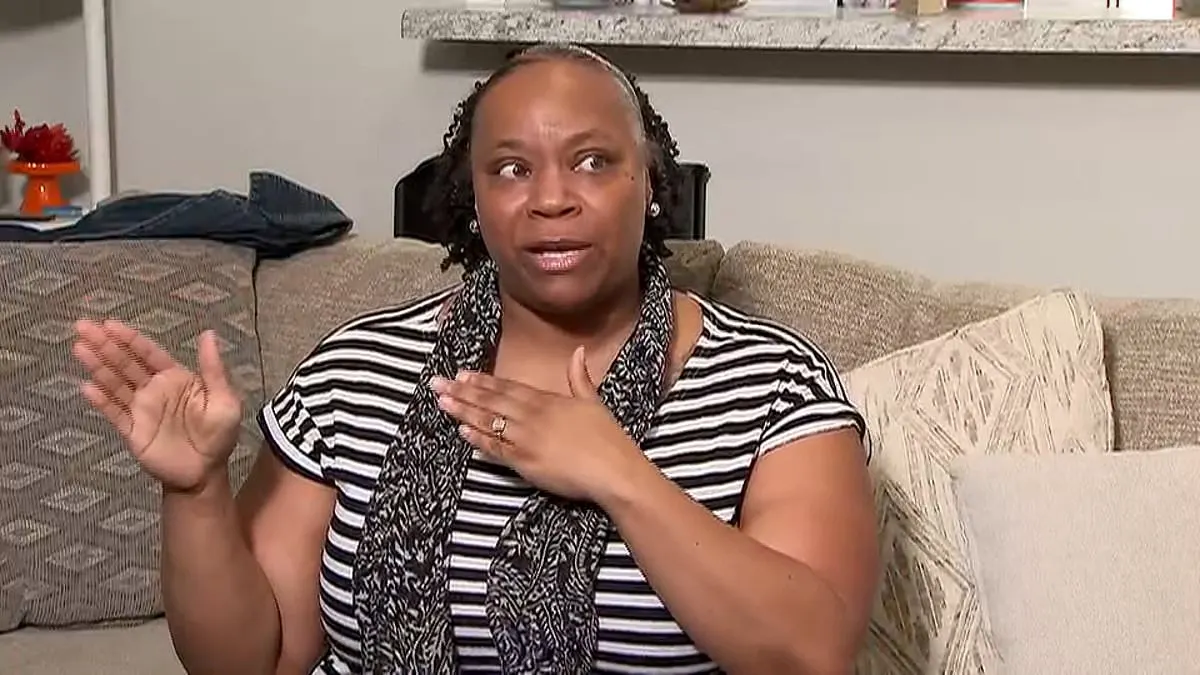
Laura Mack, a Raleigh tenant recovering from surgery, was evicted after an apartment complex’s AI chatbot, Olivia, apparently told her she could pay her overdue rent at the end of November. Mack says she relied on that message, but after receiving an eviction notice she was told the chatbot had been wrong; she is now staying in a hotel.
The complex emailed Mack on 8 November about $3,934.17 in unpaid rent and asked when she could pay. She requested an extension and received a reply saying payment on 30 November would work, but on 16 November she was given three days to leave. The article also reports that a ceiling leak she raised with Olivia on 31 October was not repaired until 12 November. The complex said it was gathering information and would update a local news station the following week.
In short
- A tenant says the complex’s chatbot approved a rent extension.
- She received an eviction notice before the stated payment date.
- The complex said it was reviewing what happened.
Steelman: both sides, in good faith
The strongest fair case each way — we don't pick a winner.
The case for
A tenant could reasonably rely on a clear written assurance from the complex’s own chatbot, especially when she was recovering from surgery and had asked directly for an extension. The complex remains responsible for the system it chose to use, and the reported delay in repairing a leak may add to concerns about how residents’ requests are handled; a fair response could include reviewing the eviction and improving oversight of the chatbot.
The case against
The complex may argue that rent remained unpaid and that an automated reply cannot itself alter the lease or guarantee an extension unless an authorised person approves it. It could also say the chatbot’s error should be investigated before conclusions are drawn about responsibility, while noting that the reported account does not include the complex’s full response or any details of its payment and notice policies.
Explained simply
Renting a flat usually involves a tenancy agreement setting out when rent is due and what can happen if it is unpaid. In the United States, eviction rules vary by state, and a landlord generally has to follow a legal process before a tenant can be made to leave.
Many apartment complexes use chatbots to answer residents’ questions about rent, repairs and other matters. A chatbot’s reply may not carry the same authority as a decision from the landlord or property manager, so disputes can arise over who is responsible when its information is wrong.
This case raises questions about how landlords oversee automated services and how tenants can check whether important promises are binding. It also matters because eviction can leave people without stable housing, while delayed repairs can affect the safety and condition of a home.