Woman shot dead by police after Taser fails as she threatens officers with an axe in Adelaide
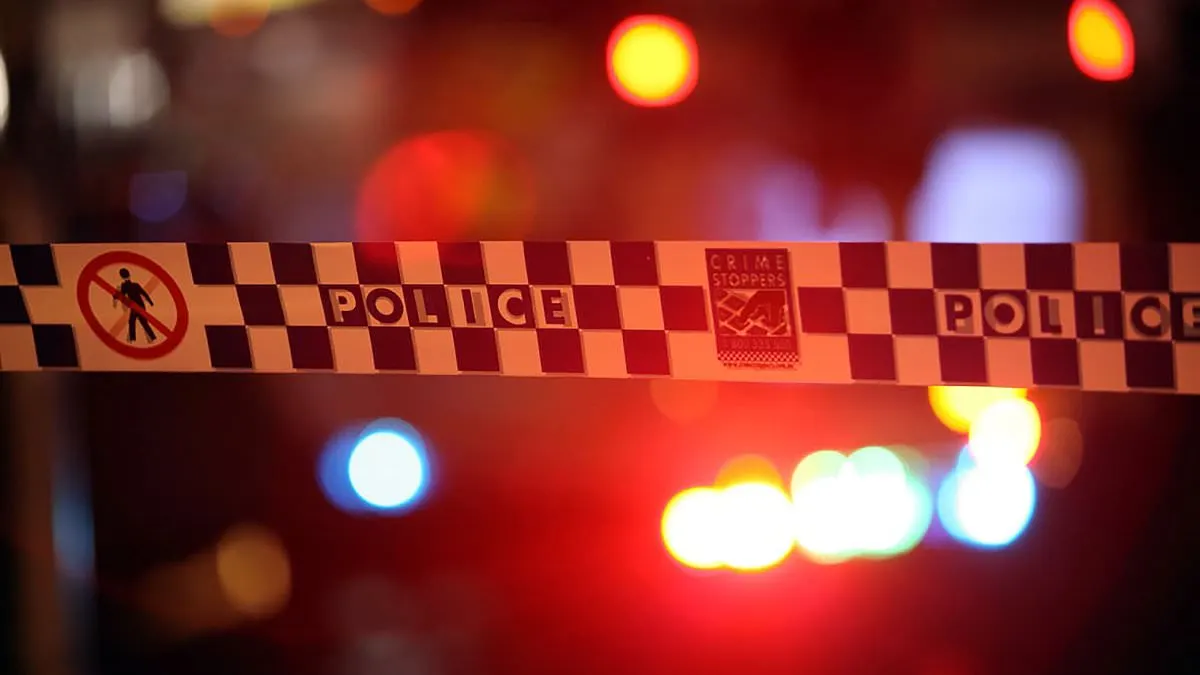
Police shot dead a woman after she threatened officers with an axe at a home in Firle, Adelaide, shortly before 2am on Thursday. Officers first tried to stop her with a Taser, which failed, and then fired their weapons; the incident is under investigation.
Officers gave first aid before paramedics arrived, but the woman died at the scene. One officer suffered minor injuries. Major crime detectives and forensic officers are investigating, and a report will be prepared for the coroner; Gwynne Street remains closed.
In short
- Police shot dead a woman who threatened officers with an axe in Firle.
- A Taser failed before officers used firearms.
- One officer suffered minor injuries as the incident is investigated.
Steelman: both sides, in good faith
The strongest fair case each way — we don't pick a winner.
The case for
Police had to respond to an immediate threat when the woman approached officers with an axe, and the Taser had failed to stop her. In the confined, fast-moving situation, officers may have judged that firing was necessary to protect themselves or others from serious injury, while still giving first aid afterwards.
The case against
The use of lethal force by police demands close scrutiny, even when officers face a dangerous threat, because a person’s death is irreversible and public trust depends on force being necessary and proportionate. The investigation should establish whether officers had safer options, how events unfolded, and whether the failed Taser or other circumstances affected the decision to shoot.
Explained simply
In South Australia, police can use Tasers, which deliver an electric shock, as well as firearms. The circumstances in which officers use force are examined after a death, including whether the actions taken followed police procedures.
Major crime detectives and forensic officers gather evidence, while the coroner examines deaths that may need an official investigation. The findings can help establish how the person died and whether further action is needed.