Women in UK arts feel they do not have equal opportunities for roles, says report
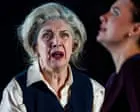
A new report from the support group Women in the Arts has found that women working in the UK arts sector believe they lack equal opportunities for roles, particularly as they grow older, with researchers describing an industry fixated on "young and emerging" talent. The findings matter because they point to persistent, widely felt gender inequality and ageism across theatre, TV and the wider cultural sector, with those in artistic rather than managerial roles reporting the problem is almost universal. The report also warns that AI-driven recruitment tools risk compounding these issues, potentially penalising women for career breaks taken for caring responsibilities.
The survey of 76 arts professionals found that 95% believed gender inequality persisted, 75% had experienced unconscious bias or sexism, and 69% felt age had negatively affected their career success, rising to 100% among those in artistic roles. Actors described casting opportunities "dropping off at 39" and roles for women thinning further past 50, while writers and marketers noted schemes favouring the young over experienced talent. The research, part of a five-year project funded by Arts Council England in partnership with bodies including Equity and the Writers' Guild of Great Britain, is intended to inform a taskforce on gender discrimination, harassment and caring responsibilities in the cultural sector.
- 95% of women in arts say gender inequality persists, report finds
- Nearly seven in ten say ageism hurts their careers
- AI recruitment tools risk worsening bias against older women
New here? Start with this
Women in the Arts is a support and advocacy group for women working in theatre, television and the wider UK cultural sector. Its latest report draws on responses from arts professionals, including actors, writers and marketers, about their experiences of gender inequality and ageism during their careers. The work forms part of a five-year project backed by Arts Council England, alongside industry bodies such as the actors' union Equity and the Writers' Guild of Great Britain.
The findings feed into a wider push to address discrimination in the arts, where casting and career opportunities have long been debated in relation to age and gender. Concerns about how women, particularly those over 40, are treated compared with male peers and younger performers have been raised repeatedly by industry unions and campaigners in recent years. The report also touches on newer worries about artificial intelligence being used in recruitment, and whether such tools could disadvantage women who have taken career breaks for caring duties.
This matters because the arts sector, from theatre to television, shapes public culture and employs large numbers of freelance workers with limited job security. Findings like these are intended to inform practical responses, including a taskforce set up to look at gender discrimination, harassment and caring responsibilities across the cultural workforce.
Both sides, in good faith
The strongest fair case each way — we don't pick a winner.
The case for
Advocates for the report's findings argue that a 76-strong sample echoes decades of anecdotal and academic evidence that women, particularly in visible artistic roles such as acting, face a narrowing of opportunity as they age in a way their male peers do not, with casting, commissioning and talent schemes disproportionately prizing youth. They see value in naming this pattern clearly, arguing that a taskforce informed by lived experience from bodies like Equity and the Writers' Guild is a reasonable response to a structural problem, and that flagging risks from AI recruitment tools is a sensible precaution against automating existing biases around career breaks and caring responsibilities before they become entrenched. For them, taking women's own reported perceptions seriously is itself an act of fairness, since discrimination that operates through subtle bias is often invisible to those not affected by it.
The case against
Others, while not dismissing individual experiences of unfairness, would urge caution about drawing firm conclusions from a self-selected survey of 76 professionals recruited via a support group founded to campaign on this very issue, noting that such methodology cannot establish how widespread or causally distinct age or gender effects are relative to other pressures facing the arts sector, such as funding cuts, audience tastes or the inherent narrowness of casting for specific roles. They might argue that acting and the arts have always been unusually competitive and image-conscious professions affecting many performers of any gender, and that policy responses, including scrutiny of AI recruitment tools, should be grounded in robust, representative evidence rather than survey findings that primarily reflect the views of those already inclined to see the industry as unfair. Their underlying value is a belief that good intentions still require rigorous evidence before being translated into workplace policy or regulation.