Women’s advocacy groups respond to Caitlin Clark’s answer on demonstrations at Fever games
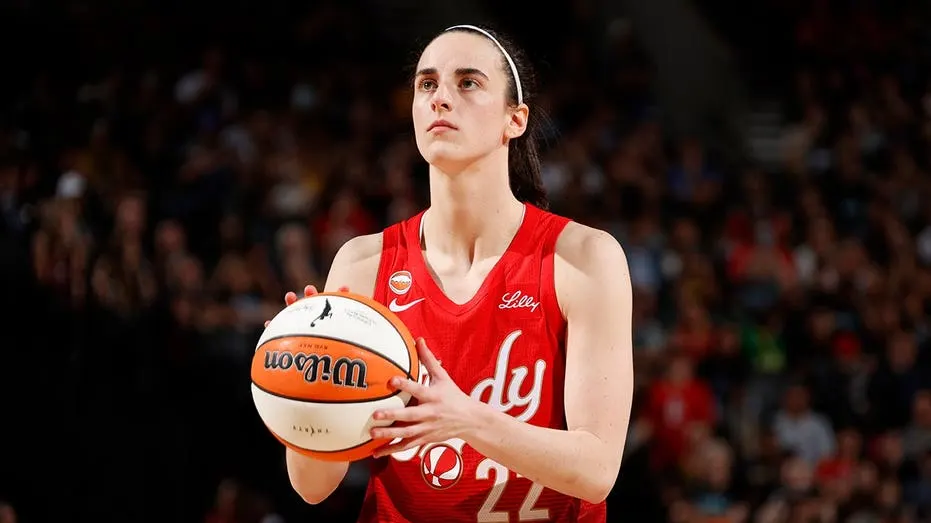
Women's advocacy groups have reacted to comments made by WNBA star Caitlin Clark after she was asked about demonstrations taking place at Indiana Fever games tied to the "Save Women's Sports" movement. Her response sparked debate within the movement itself and among her fanbase, highlighting ongoing tensions in American sport over policies on transgender athletes competing in women's categories.
The controversy comes amid a broader wave of activism at WNBA venues, including a rally by former Olympic cyclist Inga Thompson in Portland in support of female-only sporting categories, and WNBA player Sophie Cunningham speaking out on the issue. Prominent Clark supporters Dave Portnoy and Megyn Kelly were both reported to have weighed in on her remarks, though the full detail of their reaction was not available in the source material.
- Caitlin Clark's remarks on Fever demonstrations sparked debate among advocacy groups.
- Row ties into wider "Save Women's Sports" activism at WNBA games.
- Clark supporters Dave Portnoy and Megyn Kelly reportedly reacted.
Both sides, in good faith
The strongest fair case each way — we don't pick a winner.
The case for
Advocates for sex-based sporting categories argue that maintaining female-only competitions protects women's hard-won athletic opportunities and ensures fair competition. They contend that transgender women retain physiological advantages from male puberty—including differences in muscle mass, bone density, and cardiovascular capacity—that hormone therapy does not fully reverse, citing research on athletic performance. From this perspective, sex-based categories are not discriminatory but rather necessary safeguards to preserve women's sports as a space where female athletes compete on equal footing, much as Title IX was designed to protect.
The case against
Supporters of transgender inclusion argue that transgender women are women and deserve to compete according to their gender identity. They emphasise that hormone replacement therapy substantially reduces athletic advantages, that the number of transgender athletes competing is negligible, and that evidence-based individual assessments of hormone levels are more fair than categorical exclusions. They contend that blanket bans constitute discrimination against an already vulnerable minority, potentially causing significant psychological harm, whilst the actual competitive impact remains minimal and does not justify marginalising transgender people from community participation in sport.