World’s oldest president reshuffles army as his absence stokes unease
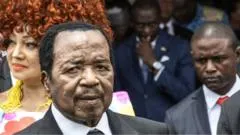
Cameroon's President Paul Biya, 93, has reshuffled the country's military, appointing new officials to key army positions and promoting five colonels to brigadier general, amid mounting unease over his prolonged absence from the country. Biya has not appeared in public for nearly two months and has been staying in Geneva, Switzerland, since leaving Cameroon on 7 June for what officials described as a "brief private stay", fuelling speculation about his health and the running of the state.
Among those promoted is Raymond Jean Charles Beko'o Abondo, reappointed as commander of the presidential guard, a post he has held since 2013. Such reshuffles are common under Biya at moments of scrutiny, following similar moves after Gabon's 2023 coup and during last year's contested eighth-term election bid. Cameroon's communication minister has insisted Biya is alive and working from Geneva and will return soon, while the opposition CRM party has accused the government of leaving a "glaring institutional vacuum", noting that a promised new cabinet and a newly created vice-presidential post remain unfilled.
In short
- Biya, 93, reshuffles Cameroon's army from Geneva after nearly 60 days abroad
- Five colonels promoted; presidential guard commander reappointed
- Opposition warns of institutional vacuum amid health speculation and secrecy
Steelman: both sides, in good faith
The strongest fair case each way — we don't pick a winner.
The case for
A modern state can function effectively with remote leadership, and military appointments represent routine administrative governance rather than evidence of dysfunction. The president is confirmed by officials to be alive and working from Switzerland, and a leader taking a private stay for health reasons does not necessarily impair state operations or institutional continuity. Such reshuffles are standard practice in maintaining military readiness and chain of command.
The case against
Citizens have a legitimate right to transparency about their 93-year-old leader's health, whereabouts, and capacity to govern when he has been absent from public view for two months. The unfilled cabinet positions and newly created vice-presidential post represent an actual institutional vacuum that raises genuine questions about succession planning and decision-making authority, particularly given the pattern of reshuffles coinciding with moments of political scrutiny rather than normal governance cycles.
Explained simply
Paul Biya has led Cameroon since 1982, making him one of Africa’s longest-serving presidents. The president is commander-in-chief, and senior military appointments are made by the head of state.
The presidential guard protects Biya and state institutions; its commander is among the country’s most prominent security officials. The opposition Cameroon Renaissance Movement, or CRM, is one of the parties challenging Biya’s government.
Cameroon has no vice-president, and the president’s powers and succession are set out in the constitution. Debate about who is running the state matters because the country faces armed conflict in its Anglophone regions and an ongoing Boko Haram insurgency in the north.