‘Wouldn’t go if you paid me’: Fury as Snowdon is overrun by crowds – with hikers comparing summit scenes to a ‘theme park’
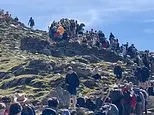
Snowdon, Wales's highest peak, has drawn complaints after being overwhelmed by crowds of hikers, with some visitors likening the scene at the summit to a "theme park" rather than a remote mountain experience. Frustrated walkers have taken to social media and travel forums to vent about queues forming near the top and the loss of the wilderness atmosphere the mountain is famed for, with one hiker declaring they "wouldn't go if you paid me" due to the congestion.
The complaints reflect a wider pattern of overtourism affecting popular British beauty spots during peak summer season, as easy accessibility and social media exposure funnel large numbers of visitors to a small number of well-known sites. Snowdon, which draws hundreds of thousands of walkers and train passengers annually, appears to be reaching a saturation point similar to other UK hotspots, prompting renewed debate about how to manage visitor numbers at popular natural landmarks.
- Snowdon summit likened to a "theme park" amid overcrowding complaints
- Hikers report queues and lost wilderness feel at the top
- Part of a wider overtourism trend at UK beauty spots
New here? Start with this
Snowdon, also called Yr Wyddfa, is the highest mountain in Wales and part of Eryri National Park. People reach its summit by walking several routes or taking the mountain railway, making it one of Britain’s best-known mountain destinations.
The mountain attracts large numbers of visitors, especially in summer. Its popularity reflects a broader challenge for well-known natural sites: making them accessible while protecting the landscape and the experience of people who visit.
Both sides, in good faith
The strongest fair case each way — we don't pick a winner.
The case for
The concern about Snowdon's overcrowding reflects genuine environmental and experiential values. Excessive visitor numbers cause measurable landscape damage through erosion, vegetation loss, and litter, whilst the solitude and contemplative connection to wilderness that makes mountains valuable becomes impossible in crowded conditions. Protecting the character of peak natural spaces isn't elitist; it's stewardship ensuring these irreplaceable landscapes remain meaningful and ecologically healthy for future generations.
The case against
The enthusiasm for Snowdon reflects something important: mountains should be accessible to ordinary people, not restricted to those with flexible schedules or significant resources. High visitor numbers generate crucial income for Welsh communities whilst enabling families, older walkers, and less experienced hikers to safely encounter mountains. Rather than limiting access, better solutions exist—improved facilities, visitor education, and timed entry systems—that preserve democratic access whilst managing environmental impact.