Culture news and discussion on TalkFuse.
Wreckage of Pan Am plane that shaped aviation safety found 74 years on
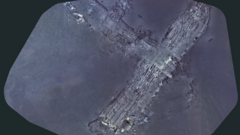
The wreckage of the Pan American Airways Clipper Endeavor has been located 74 years after it crashed off the coast of Puerto Rico, in a discovery credited with prompting the aviation safety measures still used on flights today. The aircraft, which suffered multiple engine failures shortly after take-off on 11 April 1952, was forced into a violent water landing; passengers' difficulty finding life vests and rafts as the plane rapidly sank became a catalyst for reforms including the mandatory pre-flight safety briefings now standard on every commercial flight.
The Douglas DC-4 was found roughly 2,000ft below sea level using a sonar-equipped drone, in an expedition led by the Air/Sea Heritage Foundation alongside the Discovery Channel's Expedition Unknown and other partners. Of the 69 passengers and crew aboard when the plane went down while flying to New York, only 17 survived. Foundation president Russ Matthews began investigating the crash in 2019 after learning of a luggage tag from the flight washed up in Florida, and used historical records, weather data and witness maps to narrow the search area, finally locating the broken wreckage – with the Pan Am logo still visible – on 2 June, ahead of the crash's 75th anniversary.
In short
- Wreckage of 1952 Pan Am crash found off Puerto Rico after 74 years
- Disaster killed 52 of 69 aboard, led to mandatory safety briefings
- Sonar drone found it in June, just before 75th anniversary
Explained simply
Pan American Airways, usually called Pan Am, was a major US airline whose long-distance routes helped make commercial air travel more common. The Clipper Endeavor was a Douglas DC-4, a four-engine passenger aircraft, flying from Puerto Rico to New York in 1952.
After several engines failed soon after take-off, the crew brought the plane down at sea. Many people survived the landing, but the aircraft sank quickly and passengers struggled to find life-saving equipment. The crash became part of the history behind changes to how airlines explain safety equipment and procedures before take-off.
The Air/Sea Heritage Foundation is a group that investigates historic aircraft and shipwrecks. Its search for the plane drew on records and accounts from the time, as well as sonar technology, which can map objects underwater.