WRU bosses under pressure to resign after £18m loss
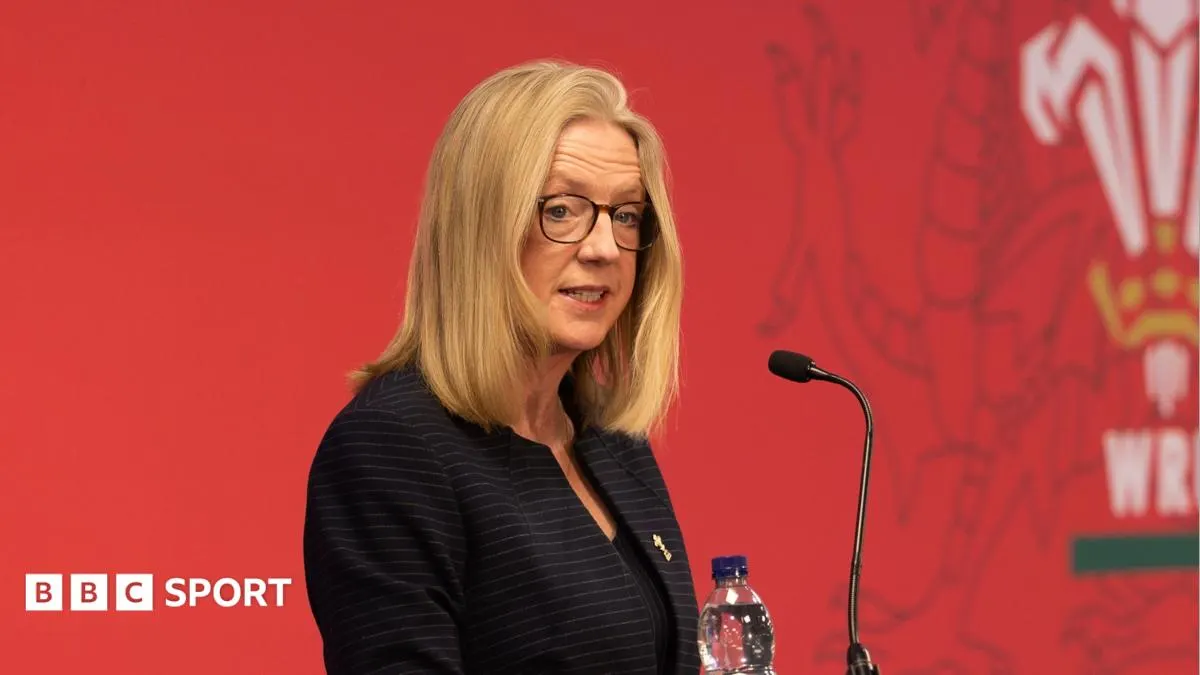
The Welsh Rugby Union (WRU) is facing calls for its chief executive and board to resign after reporting an £18m loss for the latest financial year. It expects another substantial loss next year, prompting criticism of its leadership and renewed debate over the future structure of professional rugby in Wales.
The loss has widened from £7.2m the previous year, with rising operating costs, lower ticket sales and reduced spending by fans cited as contributing factors. The WRU says its figures show that running four professional regions is unsustainable and plans to reduce them to three from 2028; Swansea council leader Rob Stewart disputes that four cannot be supported, while former Wales wing Alex Cuthbert has criticised the union’s communication and direction. The WRU’s chief financial officer says the organisation cannot continue on its current course, and the board says it will take accountability.
In short
- WRU reports an £18m loss and forecasts another major deficit.
- Critics are calling for the chief executive and board to resign.
- Plans to cut Welsh professional regions from four to three remain contentious.
Steelman: both sides, in good faith
The strongest fair case each way — we don't pick a winner.
The case for
The £18m loss, following a £7.2m loss and a forecast of further substantial losses, gives critics a serious basis to question whether the chief executive and board have managed the union effectively. Resignations could create accountability and allow new leaders to rebuild confidence and set a clearer direction for Welsh professional rugby.
The case against
The losses reflect pressures beyond the board’s control, including rising costs and weaker ticket sales and fan spending, so requiring resignations may oversimplify the causes. The board says it will take accountability, and keeping experienced leaders in place could help manage a difficult restructuring while the union addresses what it considers an unsustainable financial model.