World news and discussion on TalkFuse.
WW2 plotting room rediscovered under iconic British landmark
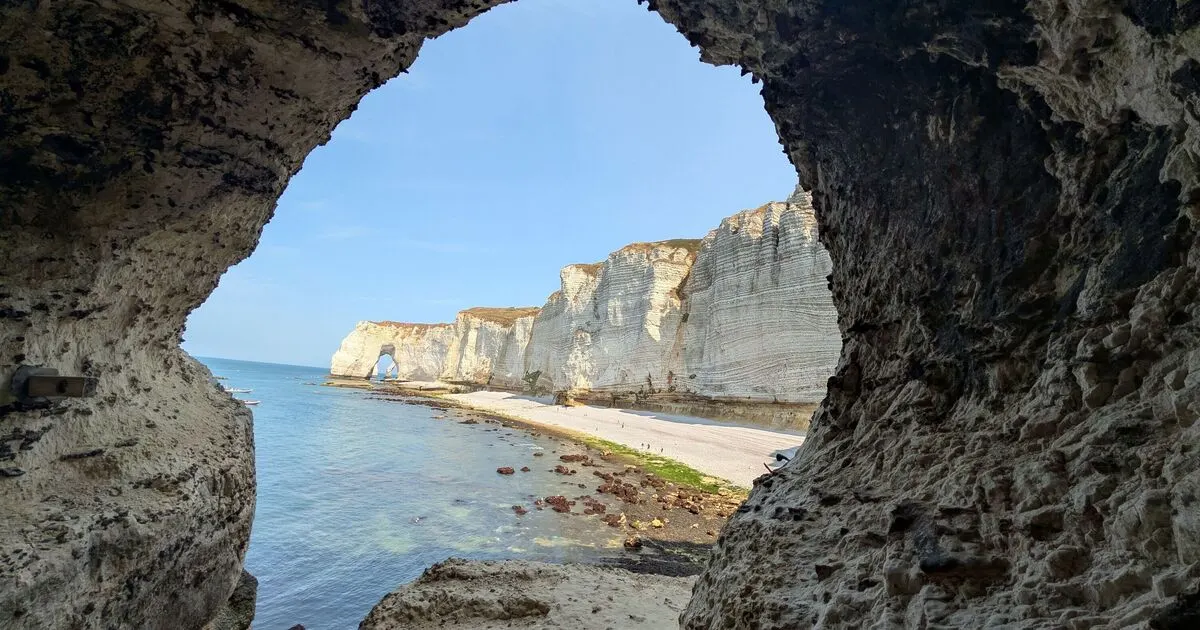
The National Trust is opening the Fan Bay Plotting Room beneath the White Cliffs of Dover to visitors for the first time. Built in 1940, the underground operations centre helped direct artillery defending the Strait of Dover after France fell, making it part of Britain’s coastal defences during a period of intense threat.
The room contained advanced equipment, including a fire direction table used to calculate firing data and coordinate guns. Abandoned after the war and buried under soil in the 1970s, it was rediscovered in 2017 and conserved with its peeling paint, graffiti, pipes and ducts still visible. Tours begin on Friday and must be booked in advance; volunteers are also researching the stories of those who worked there.
In short
- Wartime plotting room beneath Dover’s cliffs opens to visitors.
- It helped coordinate guns defending the Strait of Dover.
- The site was rediscovered in 2017 and carefully conserved.
Explained simply
The Strait of Dover is the narrow stretch of sea between south-east England and northern France, making it an important route for ships and a potential invasion path. After France fell to German forces in 1940, Britain strengthened its coastal defences along the Channel.
Artillery crews on the Dover coast needed to work out where and when to fire at targets at sea. The underground plotting room helped staff calculate firing information and coordinate the guns, linking people and equipment across the defences.
The room was part of a wider wartime network, and its equipment and graffiti offer clues to how people worked there. The National Trust looks after the White Cliffs of Dover, a landmark on England’s south coast.