Xbox admits its game exclusivity strategy isn’t “obvious”, but insists Gears of War and Clockwork Revolution won’t be the only non-PlayStation games
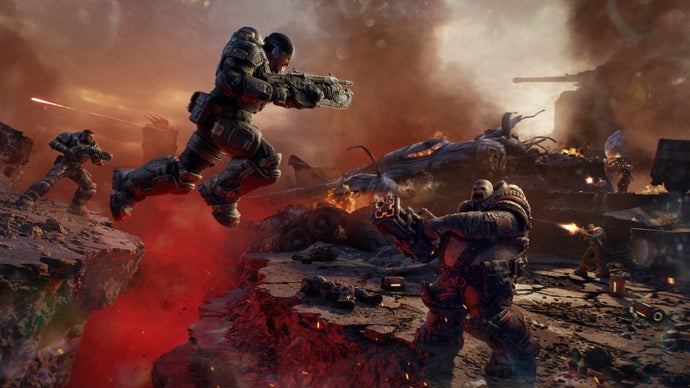
Xbox executives have acknowledged that the company's approach to game exclusivity is not "obvious" to players, while insisting that upcoming titles Gears of War: E-Day and Clockwork Revolution will not be the only games kept off PlayStation. Chief strategy officer Matthew Ball and chief content officer Matt Booty made the comments in an interview with GamesRadar, seeking to clarify Microsoft's strategy following last month's Xbox showcase and subsequent cuts of 3,200 jobs alongside several studio divestments. The issue matters because Xbox's exclusivity policy has appeared inconsistent, particularly given Halo's imminent debut on a Sony console and last year's surprise PS5 release of Gears of War: Reloaded.
Ball stated that exclusive games and services remain essential to growing the Xbox platform, confirming further exclusives are planned beyond the two titles already announced. Speculation had suggested Microsoft favours making single-player games Xbox-exclusive while keeping live-service multiplayer titles multi-platform for wider reach, but Booty pushed back, saying he "wouldn't overly fixate on single-player" and that no such approach was "carved in stone". Ball conceded the current strategy might not be "obvious to all our players", though no definitive policy was set out. The comments come amid ongoing fallout from the layoffs, with a further 1,600 job cuts expected between now and next summer.
In short
- Xbox admits exclusivity strategy is unclear, but more exclusives are coming
- Executives deny single-player games will automatically stay Xbox-only
- Comes amid fallout from 3,200 job cuts, with 1,600 more expected
Steelman: both sides, in good faith
The strongest fair case each way — we don't pick a winner.
The case for
Platform exclusivity remains essential for differentiating gaming ecosystems and justifying hardware investment, even in the subscription era. A measured approach that maintains exclusivity for flagship franchises whilst allowing broader Game Pass access is pragmatic adaptation. Exclusive titles like Gears and Clockwork Revolution give players meaningful reasons to choose Xbox, and selective exclusivity can coexist with service-based distribution.
The case against
Game exclusivity contradicts modern player expectations for accessible, platform-agnostic services and represents costly competitive signalling rather than meaningful value. Xbox's inability to clearly articulate its strategy and executives' admission it 'isn't obvious' to players suggests exclusivity no longer serves coherent purpose. The inconsistent application undermines consumer trust, and resources are better spent developing excellent games available to everyone than enforcing artificial restrictions.
Explained simply
Xbox, Microsoft's gaming brand, competes with PlayStation by offering exclusive games available only on Xbox consoles. These exclusive titles are crucial to convincing players to buy Xbox rather than PlayStation, making them a central part of the platform's strategy. However, Xbox's approach to exclusivity has become confusing for players in recent years.
The confusion centres on which games will remain exclusive to Xbox. The Halo series, one of Xbox's most famous franchises, is now coming to PlayStation, suggesting the company may be moving away from exclusivity. Similarly, Gears of War, another major franchise, was recently released on PlayStation, leaving players unclear about which upcoming games will stay exclusive and which will appear on both platforms.
These questions about strategy matter because players need clarity when deciding whether to buy Xbox hardware. The decisions about which games remain exclusive also show what Microsoft prioritises as it competes with PlayStation.
Business Entertainment Gaming Software Technology