Xbox Explores Converting Physical Game Discs to Digital Copies
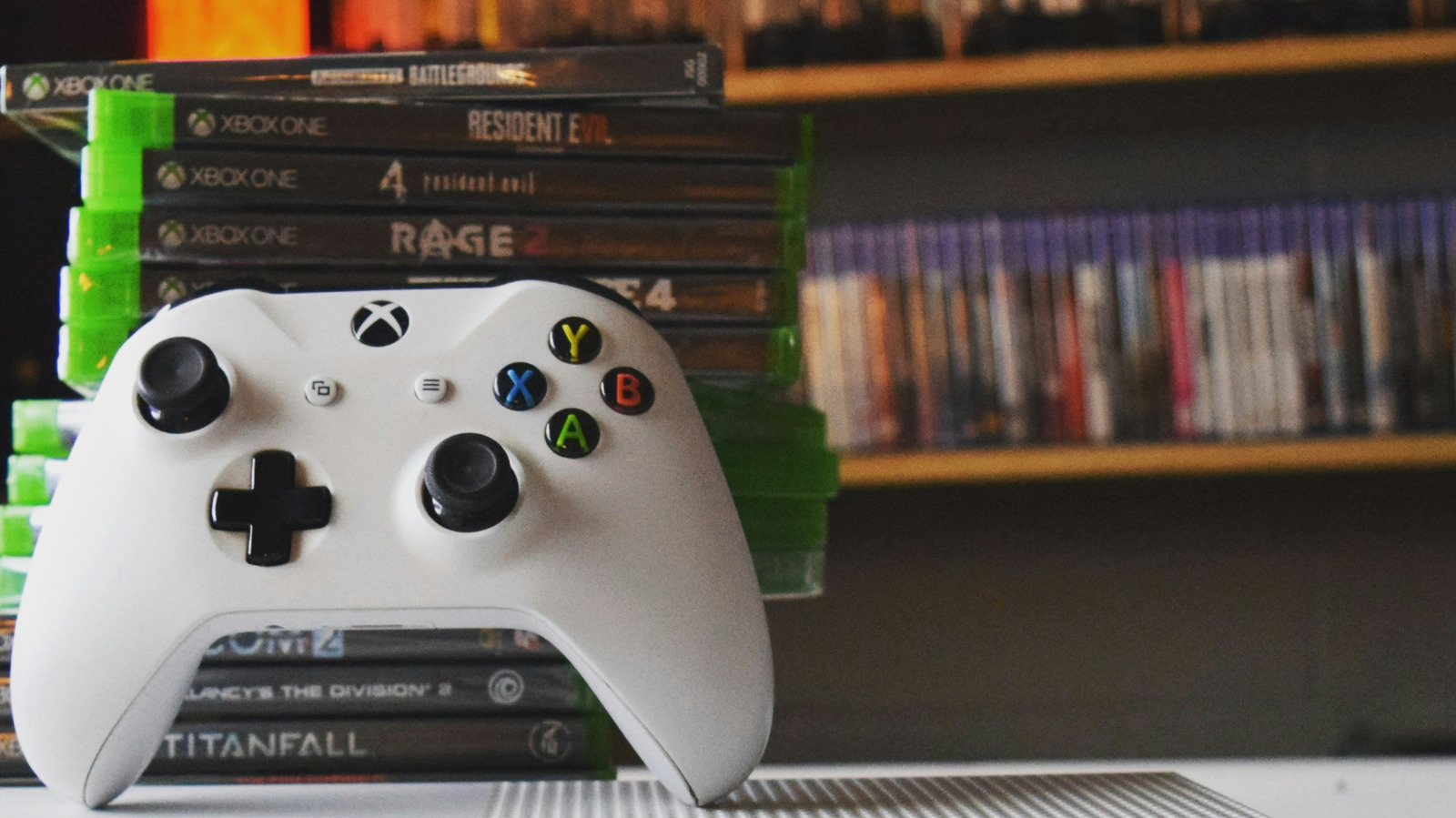
Microsoft's Xbox division is reportedly developing technology that would allow players to create digital versions of their physical game media, addressing concerns about preserving game libraries as the industry shifts increasingly toward digital distribution. The feature is intended to help bridge the gap between traditional disc ownership and a primarily digital future.
The initiative is emerging as Microsoft prepares for Project Helix, its next-generation console platform, though it remains unclear whether that hardware will retain optical disc compatibility. The move suggests Xbox is seeking ways to maintain backward compatibility with existing physical game collections whilst transitioning to all-digital infrastructure.
- Xbox is testing a system to digitize physical game discs into playable digital copies
- Feature addresses preservation concerns as gaming moves toward digital-only distribution
- Development timing aligns with Project Helix launch speculation; disc drive support for new platform unconfirmed
New here? Start with this
Video games have long been sold on discs that players insert into a console. In recent years, however, more games have been bought and downloaded online, with publishers and console makers increasingly offering digital-only versions of their hardware.
Microsoft owns the Xbox console brand and operates an online store where users can buy and download games. A system for making a digital copy of a disc could affect how existing game collections are carried to future Xbox devices, particularly if those devices do not include a disc drive.
The issue also raises questions about access to older games. Physical discs can remain usable without a store listing, while digital games depend on account systems, licences and online services managed by the platform holder.
Both sides, in good faith
The strongest fair case each way — we don't pick a winner.
The case for
Players have invested significantly in physical game libraries, and converting these to digital formats would respect that investment whilst accommodating the industry's transition. This approach preserves consumer autonomy and maintains access to existing collections without forced repurchase, whilst offering environmental benefits by keeping current media in circulation rather than generating e-waste or requiring new production.
The case against
Whilst honouring existing purchases has merit, implementing such a system presents substantial practical challenges, particularly in verifying legitimate disc ownership to prevent piracy and navigating complex licensing agreements across thousands of titles. The considerable complexity and cost involved might ultimately deliver limited consumer benefit if restrictions are necessarily strict, and the feature could serve as public-relations cover for an underlying shift toward distribution models where consumers possess diminishing ownership rights.