Xbox needs to make a choice, says former PlayStation leader Shawn Layden: be a publisher or a platform, but you can’t be both
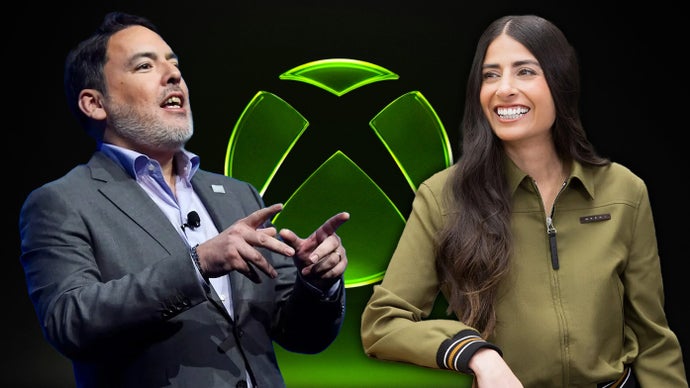
Shawn Layden, a former senior PlayStation executive who spent three decades at Sony and oversaw its 13-strong roster of first-party studios before leaving in 2019, has argued that Microsoft must decide whether Xbox is a platform or a publisher, because it cannot successfully be both. His comments, made to Eurogamer after a since-deleted LinkedIn remark suggesting Microsoft misunderstands the industry, matter because they come from someone with deep experience running a rival console business and land amid significant Xbox job cuts and a renewed emphasis on exclusivity.
Layden's central point is that the two strategies diverge: a strong platform needs exclusive content (as Nintendo relies on Mario and Zelda, and PlayStation on the likes of Kratos and Horizon), whereas the world's biggest publisher must release across every platform. He noted that at its peak PlayStation Studios never exceeded around 22 percent market share, with roughly 80 percent of business delivered by third parties such as EA, Ubisoft and Activision, and that his aim was to grow the overall market rather than squeeze partners. The article contrasts this with Microsoft's acquisition spree under Phil Spencer from 2018 onwards — including Playground Games, Ninja Theory, Obsidian and inXile, following the $2.5bn Mojang purchase in 2014 and later Bethesda and Activision Blizzard deals — which Layden found startling compared with Sony's slower approach of buying studios it had already worked with to build trust.
In short
- Ex-PlayStation boss says Xbox must choose: platform or publisher, not both.
- Platforms need exclusives; the biggest publisher must go multi-platform.
- PlayStation Studios never topped ~22% share, aiming to grow the market.
Steelman: both sides, in good faith
The strongest fair case each way — we don't pick a winner.
The case for
Platforms and publishers operate from fundamentally conflicting strategic logic. Platforms succeed by creating exclusive content that commands hardware loyalty—Nintendo with Mario and Zelda, PlayStation with Kratos and Horizon—whereas publishers maximise revenue by releasing everywhere. Microsoft's vast acquisition spree creates strategic confusion about whether Xbox prioritises platform differentiation or publisher reach, forcing compromises that inherently weaken both objectives.
The case against
The gaming industry has undergone fundamental transformation through subscription services and cloud technology, obsoleting the traditional exclusive-driven platform model. Game Pass is a multi-device subscription ecosystem—Xbox, PC, cloud, mobile—where releasing titles elsewhere expands rather than dilutes the platform. Microsoft's unmatched scale allows it to execute a hybrid strategy simultaneously dominating as publisher and platform, meeting modern consumer expectations for cross-device access that smaller competitors cannot achieve.
Explained simply
Video game companies must choose between two fundamentally different business models. Xbox is grappling with whether to function primarily as a gaming platform with exclusive titles that drive hardware sales, or as a major publisher releasing games across multiple systems.
The two strategies pull in opposite directions. A gaming platform like PlayStation succeeds by offering exclusive games that reward buying its hardware, whereas a major publisher maximises revenue by selling to the broadest audience across all platforms. The competing priorities of each approach make pursuing both successfully very difficult.
This choice matters because it shapes how Microsoft invests billions in acquiring game studios. Shawn Layden spent three decades leading PlayStation's studio strategy before leaving Sony in 2019, so he has genuine expertise in how these strategic approaches work. Understanding these differences helps clarify the strategic questions facing Xbox today.