Technology news and discussion on TalkFuse.
Xreal’s Aura shows promise, but Android XR lacks compelling apps
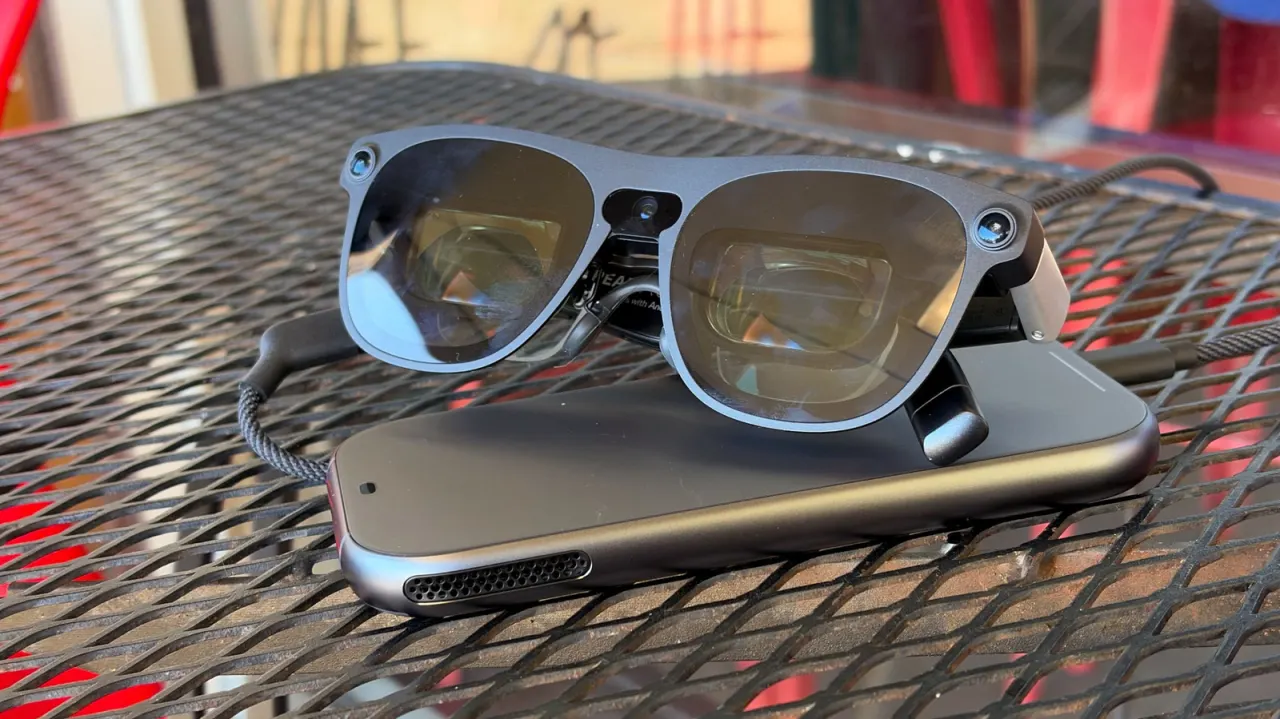
Xreal’s Aura is a capable mixed-reality headset that shows Google’s Android XR hardware is finally becoming real. But the reviewer says the platform’s lack of compelling apps and Google’s uncertain commitment hold it back, leaving the $1,279 device aimed mainly at developers.
The glasses use transparent frames with micro-OLED displays, spatial-sensing cameras and finger tracking, connected by cable to a Compute Puck that runs Android XR. The displays offer 1,920 by 1,200 resolution and up to 1,058 nits of brightness; the field of view is 70 degrees, compared with about 100 degrees for Apple’s Vision Pro. The headset can also connect directly to other devices as a virtual screen, and its launch price is discounted to $1,099 through December.
In short
- Xreal Aura brings Android XR to a capable headset.
- Its $1,279 price keeps it aimed at developers.
- A thin app ecosystem remains the main concern.
Steelman: both sides, in good faith
The strongest fair case each way — we don't pick a winner.
The case for
Aura offers a glimpse of a more open, lightweight mixed-reality system: transparent displays, spatial sensing and a puck that can also serve as a virtual screen for other devices. Early hardware can give developers a platform to build on, and the discounted launch price may make experimentation more accessible while Android XR’s app ecosystem develops.
The case against
A capable headset has limited value for most buyers if it lacks apps that make mixed reality useful, and the reported shortage leaves Aura looking more like a developer device than a finished consumer product. At $1,279, buyers may reasonably expect a mature experience, while Google’s uncertain commitment makes it harder to trust that the platform will attract lasting investment and support.
Explained simply
Mixed-reality headsets place digital images in a person’s view of the real world, so screens and objects can appear to sit in the room around them. Xreal makes display glasses, while Google provides Android XR, a version of Android designed for headsets and glasses.
The Aura combines see-through glasses with a separate computing unit, and can also show a virtual screen from another device. Its price and capabilities matter because they offer a test of whether Android XR can support useful everyday products, and whether people will have enough reasons to use them.
Read the full article at the source →
Originally published by Engadget as “Xreal Aura review: Solid AR glasses hampered by Google’s half-baked Android XR”.