Politics news and discussion on TalkFuse.
Yankees boss rips Rep. Steve Scalise — along with Stephen A. Smith and Mike Florio — in controversy over reforming college sports
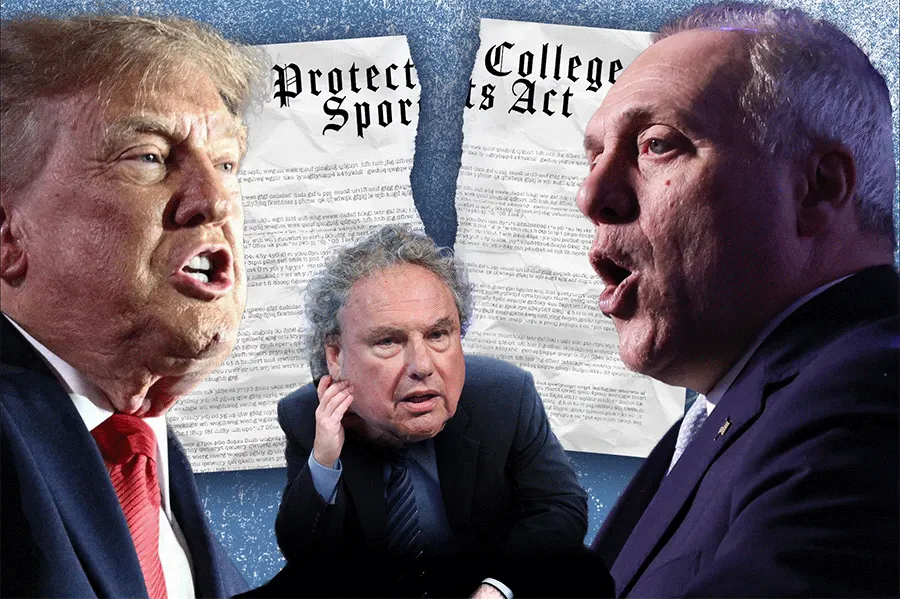
Randy Levine, president of the New York Yankees, has criticised sportscasters Stephen A. Smith and Mike Florio for what he says are misleading claims about a Senate bill to reform college sports. The dispute adds to concerns that the Protect College Sports Act could stall in the House, despite bipartisan Senate backing and support from President Trump.
The bill would change the name, image and likeness system, which critics say has brought multimillion-dollar deals for some athletes and diverted resources from other university sports and academics. It would also prevent professional athletes from returning to college competition. House Majority Leader Steve Scalise denies blocking the measure, saying opposition from Democrats and factions of his own party complicates passage; he says a floor vote is planned for the first week of December. Levine warns that if the bill does not pass now, it may not pass at all.
In short
- Yankees president Randy Levine disputes sportscasters’ criticism of the college sports bill.
- The Senate passed the bill with bipartisan support, but it faces House opposition.
- Scalise says a vote is planned for the first week of December.
Steelman: both sides, in good faith
The strongest fair case each way — we don't pick a winner.
The case for
Supporters argue that the bill could curb the rise of large, unevenly distributed name, image and likeness deals and protect funding for other university sports and academic programmes. They also favour clearer rules, including preventing professional athletes from returning to college competition, and see bipartisan Senate backing as an opportunity to act before uncertainty deepens.
The case against
Opponents or cautious lawmakers may argue that changing the rules risks restricting athletes’ ability to benefit from their own name, image and likeness, while imposing a broad national framework on a fast-changing system. They may also consider the bill insufficiently settled or politically viable, and prefer further negotiation over a rushed vote, especially given the stated resistance within both parties.