Yayoi Kusama obituary
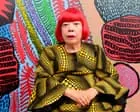
Japanese artist Yayoi Kusama has died aged 97, leaving a distinctive body of work spanning polka-dotted paintings, sculptures, happenings, films and infinity mirror-room installations. Her art transformed recurring visual hallucinations and lifelong psychological distress into images of repetition, immersion and “self-obliteration”, making her one of contemporary art’s most recognisable figures.
Born in Matsumoto, Japan, Kusama grew up in a troubled family and began painting despite her mother’s opposition, often reusing plant sacks as canvases during the 1940s. After early solo exhibitions in Japan, she moved towards the New York art world in the late 1950s, where critics and artists including Donald Judd recognised her originality; later writers also examined her position as an Asian woman working in a predominantly white, male art scene.
In short
- Yayoi Kusama has died aged 97.
- Her dots and mirror rooms made her a global contemporary-art icon.
- Her work drew directly on hallucinations and personal trauma.
Explained simply
Yayoi Kusama was a Japanese artist whose work became known around the world for its repeated dots, nets and mirrored spaces. She worked across painting, sculpture, film and live events, often using repetition to create the feeling of being surrounded or absorbed by an image.
Kusama grew up in Matsumoto, Japan, and began making art despite opposition from her family. In the late 1950s she moved to New York, where her work attracted attention in an art scene largely shaped by men and white artists.
Her art drew on recurring hallucinations and psychological distress, which she described through ideas such as “self-obliteration”. Her career matters both for its distinctive visual language and for the questions it raises about mental health, gender and the place of Asian artists in modern art.