‘You Can See Everything’ movie review: a form-breaking, unpredictable expose on subjective truths
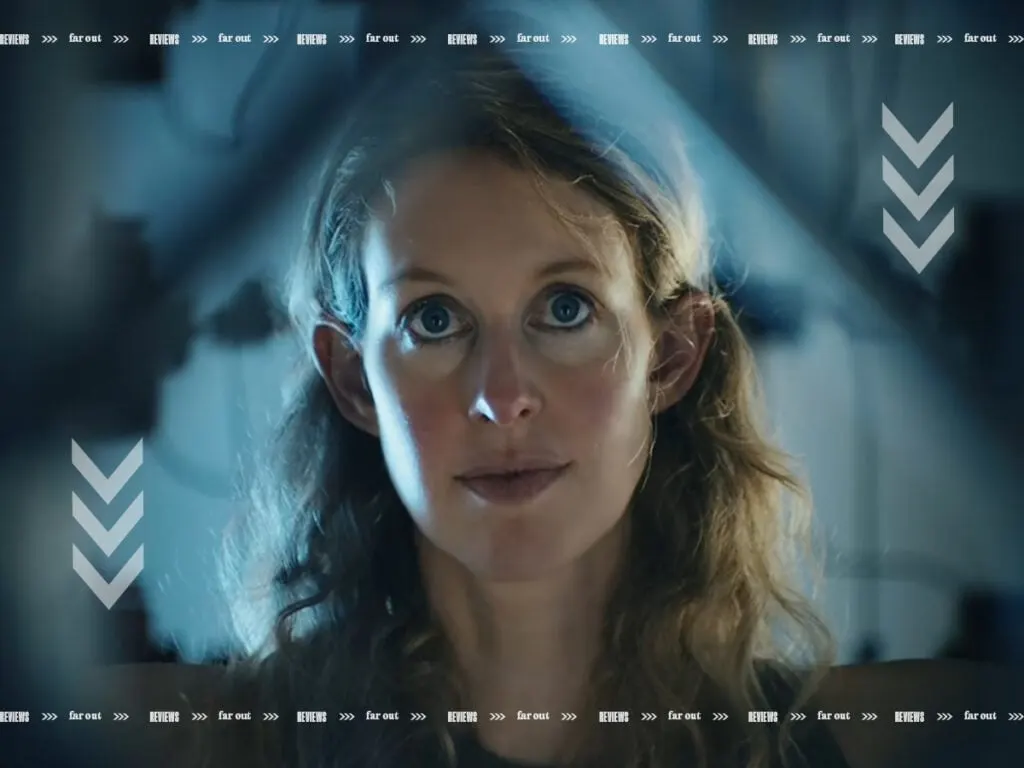
Nathan Fielder and Lance Oppenheim’s documentary *You Can See Everything* follows Elizabeth Holmes in the month before she began serving her 11-year prison sentence for fraud. Its unusual, self-questioning approach examines how access, surveillance and performance shape the story, while leaving viewers to weigh Holmes’s claims against the harm caused by Theranos.
Holmes and her partner, Billy Evans, invited Fielder’s team to document their life at a rented beachside home, saying the access could help clear her name. The film also reveals that Holmes was considering another medical venture, despite Theranos having misled investors and patients about its blood-testing technology. At three hours, the documentary turns the encounter into an unpredictable examination of truth, impartiality and the filmmakers’ own role.
- Fielder and Oppenheim document Holmes before prison.
- Holmes hoped the access would help clear her name.
- The film probes truth, surveillance and documentary ethics.
New here? Start with this
Elizabeth Holmes founded Theranos, a blood-testing company that claimed it could run many tests using only a small amount of blood. The company’s claims were shown to be misleading, and Holmes was convicted of fraud for deceiving investors. Patients and investors were among those affected by the company’s actions.
Nathan Fielder and Lance Oppenheim are documentary filmmakers. Holmes and her partner, Billy Evans, invited their team to film their life, hoping that the access might help present her account. The film also considers how being watched, and choosing what to show, can shape the story people see.
The background matters because the filmmakers’ access does not by itself establish whether Holmes’s claims are true. The film asks viewers to consider her account alongside the effects of Theranos and the filmmakers’ choices in recording and presenting it.
Both sides, in good faith
The strongest fair case each way — we don't pick a winner.
The case for
The film’s open-ended, self-questioning approach may help viewers see how access, surveillance and performance shape a documentary, rather than treating its account as a neutral window onto events. Giving Holmes room to speak, while making the filmmakers’ choices visible, can invite a more considered judgement about her claims and about how stories of wrongdoing are constructed.
The case against
A film that grants extensive access to Holmes risks giving her a platform to shape her public image, especially when she said the access could help clear her name. Its focus on subjective truth and filmmaking may also draw attention from the concrete harm caused by Theranos’s deception and the responsibility established by her fraud conviction.