World news and discussion on TalkFuse.
‘You Turn Me On’: the story of a British invasion one-hit wonder in 1965
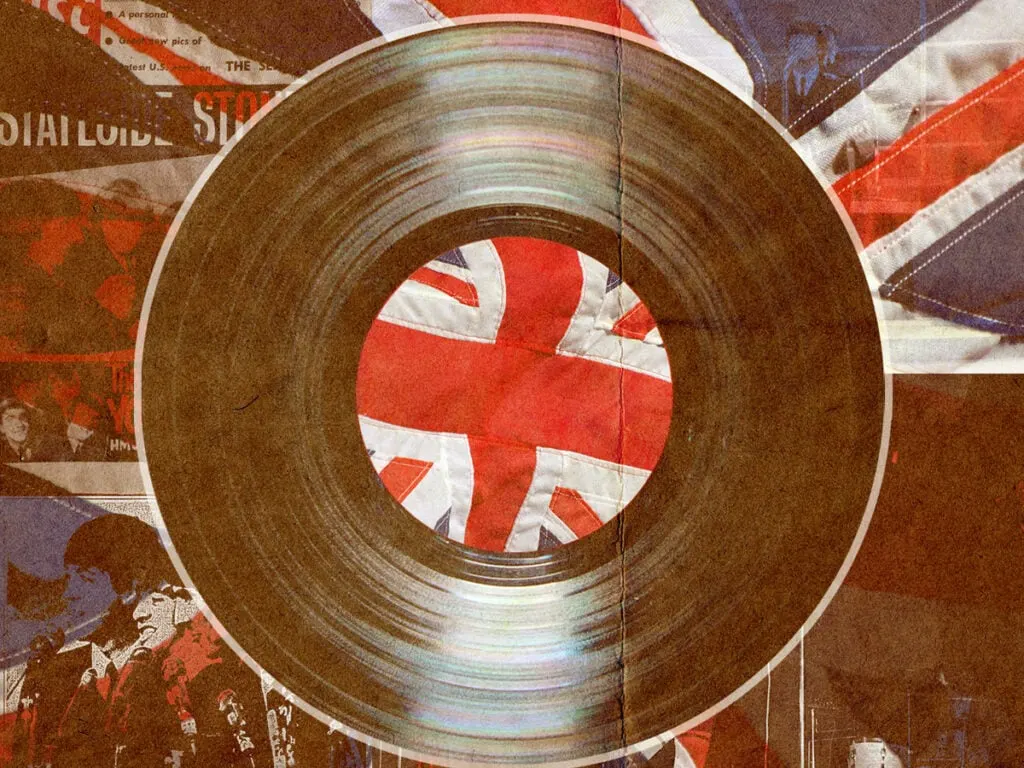
Ian Whitcomb and Bluesville’s 1965 single ‘You Turn Me On (Turn On Song)’ reached number eight on the Billboard chart, making the English-born singer a brief American hit. Its success came during the British Invasion and a period of changing attitudes to sexuality, showing how those cultural shifts helped an unusual song find a wide audience.
Whitcomb’s earlier single ‘This Sporting Life’ had peaked at number 100 for one week. The article describes the hit as a suggestive, repetitive song, driven by a ragtime piano and lively percussion, which it links to the dance craze known as the Jerk. Whitcomb later became a respected music historian, though he did not sustain the chart success of groups such as The Beatles and The Rolling Stones.
In short
- Ian Whitcomb’s 1965 single reached number eight in the US.
- The song’s success coincided with the British Invasion and shifting sexual attitudes.
- Whitcomb later became a respected music historian.
Explained simply
The song was a 1965 single by Ian Whitcomb and Bluesville, a group fronted by the English-born singer. It reached number eight on the Billboard chart, the leading American measure of popular music success, which made Whitcomb a brief hit in the United States. At the time, many British performers were enjoying great popularity there.
The mid-1960s saw a wave of British bands, led by The Beatles and The Rolling Stones, dominate American music in what became known as the British Invasion. The period also brought shifting public attitudes towards sexuality. The song, which has a repetitive, suggestive quality, was driven by ragtime piano and lively percussion and was closely linked to the Jerk, a popular dance of the day.
Whitcomb's earlier single, 'This Sporting Life', had reached only number 100 on the chart and stayed there for a single week. He did not sustain chart success on the scale of the Beatles or the Rolling Stones, but he later became a respected music historian. His story shows how broader cultural change could help an unusual record find a wide audience.