Culture news and discussion on TalkFuse.
Your Apple Watch calorie tracker is an educated guess, not a fact
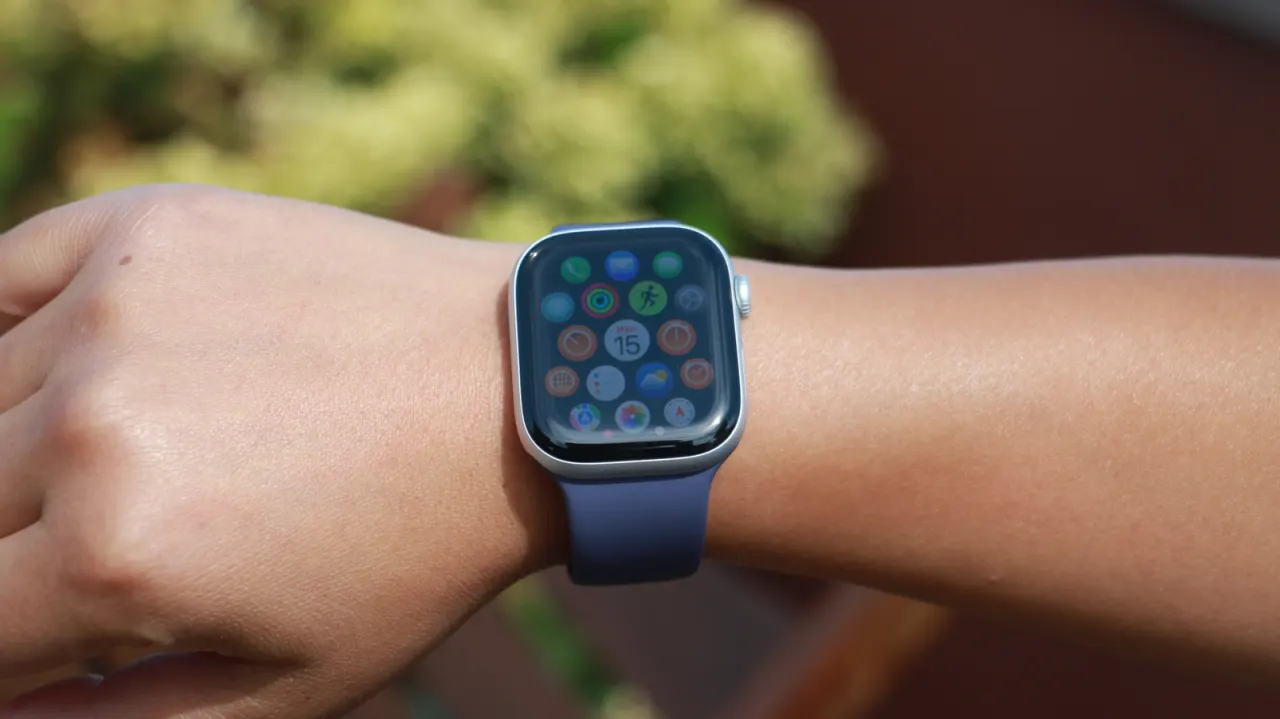
Studies suggest the calorie-burn readings on Apple Watch and rival smartwatches should be treated as rough estimates rather than reliable figures, even though the same devices measure heart rate accurately. This matters because many people use these numbers to guide diet and exercise decisions, yet the underlying technology cannot directly measure metabolism, relying instead on proxy data and algorithms that vary widely in accuracy from person to person.
A 2024 Stanford University School of Medicine study tested seven wearables, including the Apple Watch, Fitbit Surge, Microsoft Band and Samsung Gear S2, on 60 volunteers against a medical-grade electrocardiograph; the most accurate device was still off by 27%, while the least accurate was out by 93%. Researchers, including senior author Dr Euan Ashley and co-author Anna Shcherbina, attributed the poor results to the difficulty of training algorithms that account for individual differences in fitness, height and weight. A more recent Nature-published study reinforced these findings, noting that combining multiple sensor inputs can compound errors, and that factors such as skin tone and moisture levels further affect accuracy.
In short
- Smartwatch calorie counts are estimates, not precise measurements
- Stanford study found errors of 27–93% versus medical-grade equipment
- Nature research says sensor combos, skin tone and moisture worsen accuracy
Steelman: both sides, in good faith
The strongest fair case each way — we don't pick a winner.
The case for
Devices marketed for health and fitness should provide reliable information when consumers depend on them to guide important lifestyle decisions, yet smartwatches consistently fail this standard with error rates ranging from 27 to 93 percent across users. This wide margin of inaccuracy becomes particularly concerning because variation across individuals means some users unwittingly receive dangerously misleading data, and relying on such estimates to make dietary or exercise choices poses genuine risks that disclaimers alone cannot adequately mitigate.
The case against
Smartwatches deliver genuine value for fitness motivation and tracking even with imperfect absolute accuracy, as users typically monitor relative progress and trends rather than treating individual calorie estimates as precise facts. These devices excel at accurately measuring heart rate and movement, encouraging physical activity engagement—the primary goal of fitness tracking; an informed user who understands the limitations can derive meaningful benefit from observing their fitness improving over time, and demanding perfect precision may mean abandoning tools that provide useful, practical value for most people's fitness goals.
Explained simply
Smartwatches like the Apple Watch can measure your heart rate accurately, but their estimates of calories burned are far less reliable. These devices cannot directly measure how many calories your body burns; instead, they use mathematical formulas that calculate energy expenditure based on data like your heart rate, movement, age and weight.
Research has found significant gaps between what smartwatches say you've burned and what actually happened. A Stanford University team tested seven popular wearables on 60 volunteers and found that even the best device was off by 27%, whilst the worst was out by 93%. The researchers said the technology struggles because every person's body is different, and factors like fitness level, height and weight all affect how efficiently someone burns calories.
These inaccuracies matter because millions of people use smartwatch data to make health decisions, such as how much to eat or whether they've exercised enough. The problem gets worse when devices try to combine information from multiple sensors, which can compound errors, and factors like skin tone and how sweaty you are also affect accuracy.