Your Apple Watch calorie tracker is an educated guess, not a fact
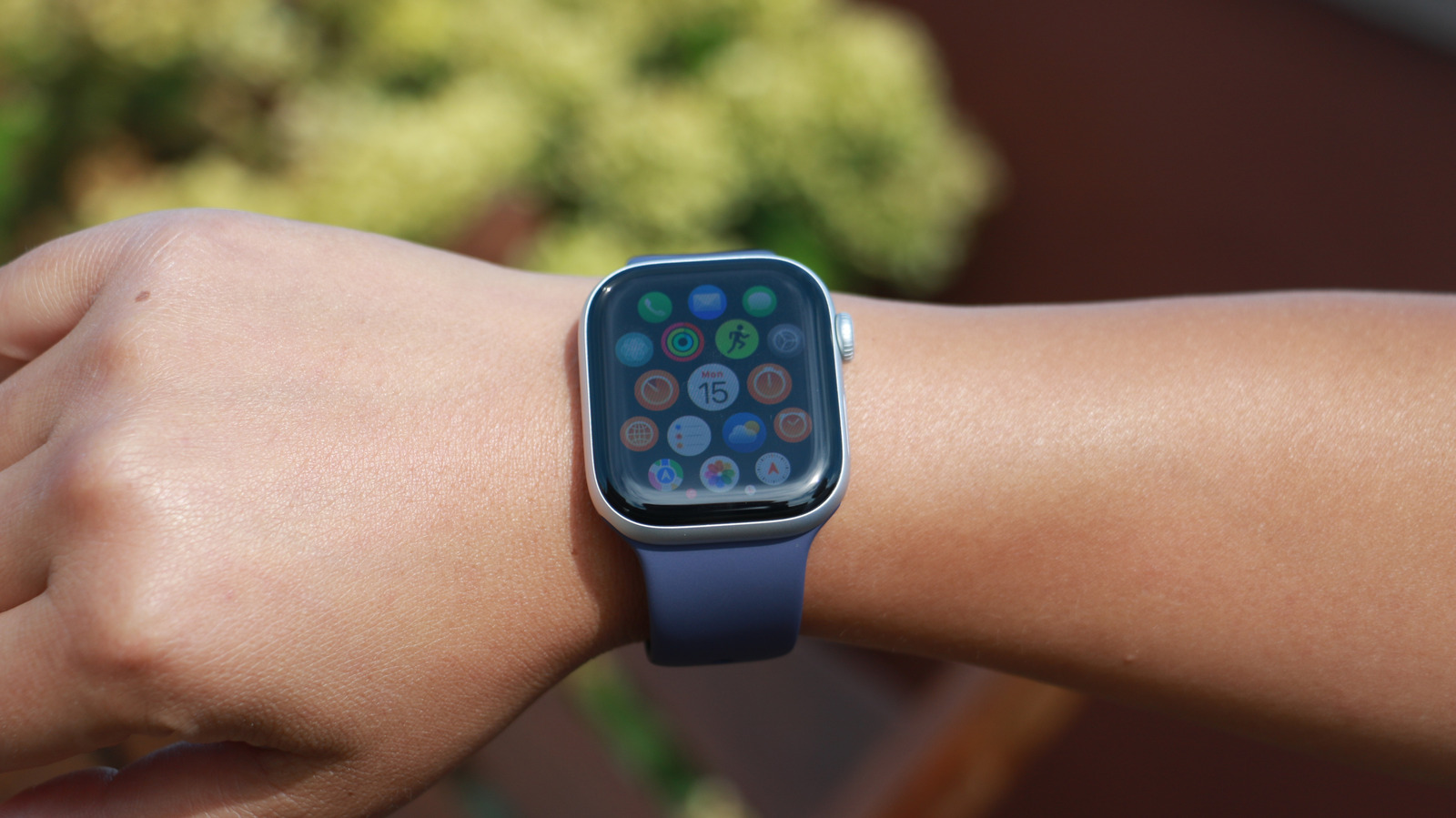
Studies suggest the calorie-burn readings on Apple Watch and rival smartwatches should be treated as rough estimates rather than reliable figures, even though the same devices measure heart rate accurately. This matters because many people use these numbers to guide diet and exercise decisions, yet the underlying technology cannot directly measure metabolism, relying instead on proxy data and algorithms that vary widely in accuracy from person to person.
A 2024 Stanford University School of Medicine study tested seven wearables, including the Apple Watch, Fitbit Surge, Microsoft Band and Samsung Gear S2, on 60 volunteers against a medical-grade electrocardiograph; the most accurate device was still off by 27%, while the least accurate was out by 93%. Researchers, including senior author Dr Euan Ashley and co-author Anna Shcherbina, attributed the poor results to the difficulty of training algorithms that account for individual differences in fitness, height and weight. A more recent Nature-published study reinforced these findings, noting that combining multiple sensor inputs can compound errors, and that factors such as skin tone and moisture levels further affect accuracy.
- Smartwatch calorie counts are estimates, not precise measurements
- Stanford study found errors of 27–93% versus medical-grade equipment
- Nature research says sensor combos, skin tone and moisture worsen accuracy