Your car’s dash cam might be illegal in some states — Here’s how to check
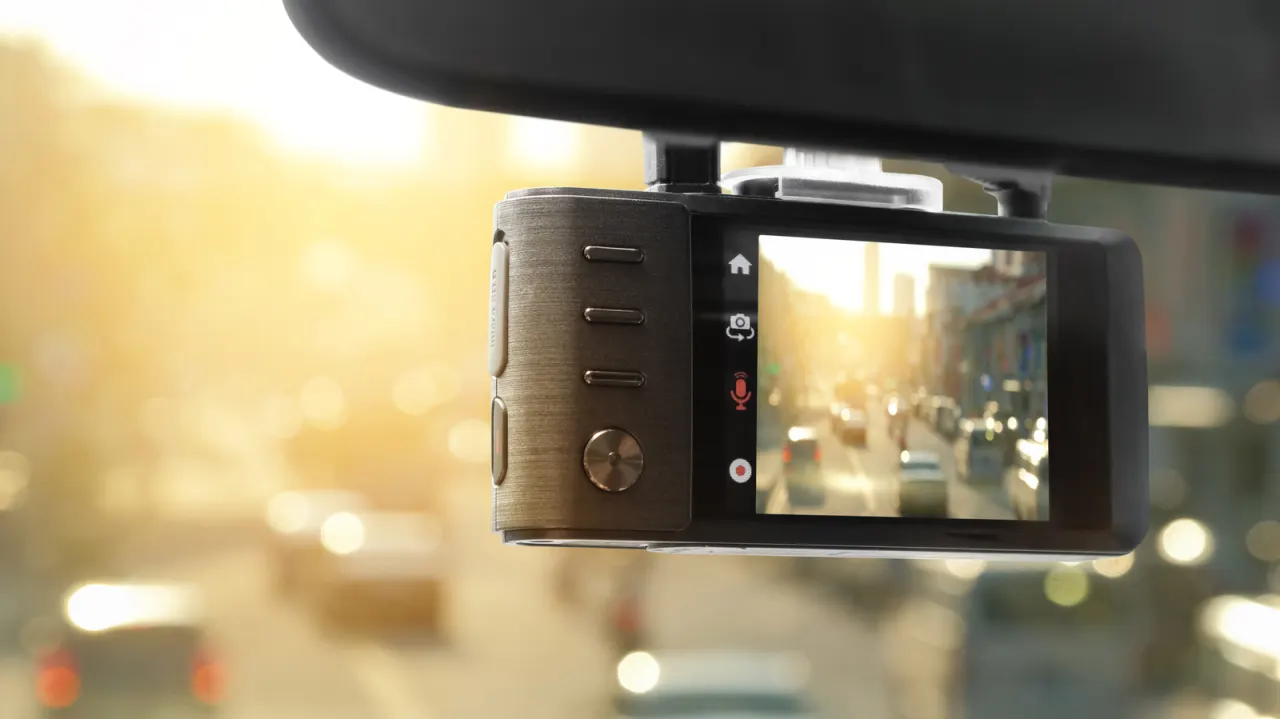
Dash cams are legal across the United States, but state rules can make a particular installation or use unlawful. The article stresses that drivers planning road trips should check the requirements in every state they enter, as rules cover whether a camera blocks the driver’s view, where it may be mounted, its size and whether it records audio.
Several states explicitly prohibit dash cams from obstructing the windscreen, while Alabama, Delaware and Louisiana do not allow them to be mounted on it at all; Pennsylvania and Minnesota generally prohibit any windscreen-mounted item. California limits placement to specified areas of the windscreen, Illinois requires a passenger-side lower-corner position, and size limits commonly cap devices at five inches, although Hawaii allows up to seven inches and Indiana permits only four square inches. Audio recording is particularly restricted: 13 states require every passenger’s consent before in-car conversations may be recorded.
In short
- Dash cams are legal, but state rules vary.
- Mounting position and camera size can be restricted.
- Audio recording may require every passenger’s consent.
Steelman: both sides, in good faith
The strongest fair case each way — we don't pick a winner.
The case for
State dash cam regulations reflect legitimate concerns for driver safety and passenger privacy. Windscreen obstruction rules protect sightlines that are critical to accident prevention, whilst audio recording requirements ensure passengers maintain a reasonable expectation of privacy in their own conversations. These measured restrictions don't prohibit dash cams — they simply establish responsible standards that allow the technology to coexist with road safety and personal privacy protections.
The case against
Excessive dash cam regulations deprive drivers of valuable safety technology without clear evidence that they prevent real harms. Most drivers can reasonably mount cameras without obstructing their view, yet rules vary so drastically between states as to create a confusing burden on travellers. Passengers in vehicles already expect some level of monitoring; requiring consent for all audio recording is an overcautious restriction that prevents drivers from recording evidence that could protect themselves in disputes or accidents.
Explained simply
Dash cams are small cameras that record a vehicle’s journey, often to provide footage after a collision or other incident. In the United States, rules vary between states, so a camera that is allowed in one place may be restricted in another.
State laws can cover where a camera is mounted and whether it blocks the driver’s view, as well as its size and whether it records sound. Audio rules matter because some states require everyone in the vehicle to agree before conversations are recorded.
These rules are relevant to drivers travelling across state lines, as they may pass through places with different requirements. Checking the laws for each state on a route can help drivers understand which installations and recording practices are permitted.