Science news and discussion on TalkFuse.
Your daily coffee habit could be taking a toll on your bones, new study suggests
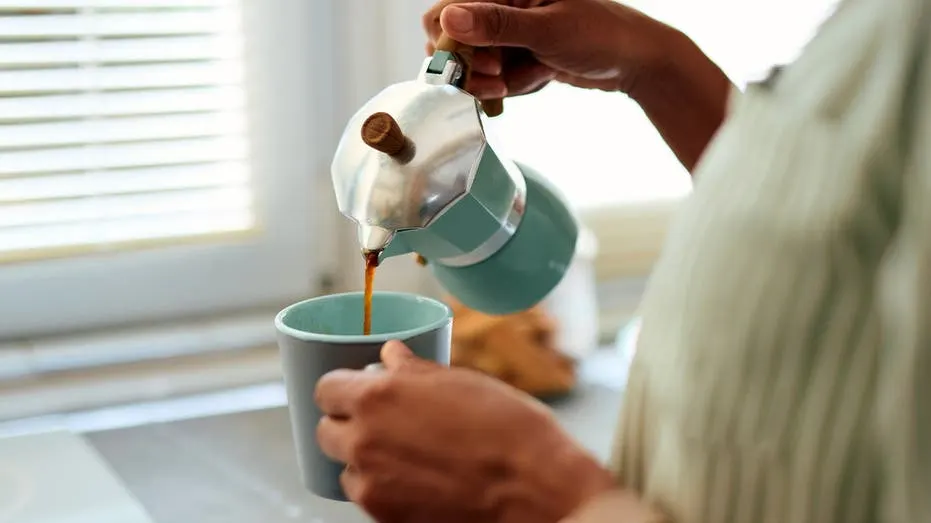
A study by researchers at Flinders University has found that drinking more than five cups of coffee a day may be linked to lower bone mineral density in older, postmenopausal women, while tea drinking was associated with stronger bone density. The findings, published in the journal Nutrients, matter because osteoporosis is a major global health concern, particularly for women, who are more prone to bone loss after menopause, and who make up a large share of the ageing population most at risk of fractures.
The research tracked coffee and tea habits among 9,704 women aged 65 and over across a decade, measuring bone density at the hip and femoral neck. Moderate coffee intake of two to three cups daily showed no negative effect, but heavy consumption, especially combined with higher alcohol intake, was linked to weaker bones, whereas tea's benefits were more pronounced in women with obesity. Researchers suggested tea's catechin compounds may support bone formation, while caffeine can hinder calcium absorption, though this effect is minor and can be reduced by adding milk. They stressed the results do not mean women must give up coffee, but that moderate tea drinking could help support bone health.
In short
- Over five coffees daily linked to weaker bones in older women
- Tea drinking associated with better hip bone density
- Moderate coffee (2-3 cups) showed no harmful effect
Steelman: both sides, in good faith
The strongest fair case each way — we don't pick a winner.
The case for
The findings offer a reason for older women to consider limiting very high coffee intake: in a large, long-running study, drinking more than five cups a day was linked to lower bone density, while tea was associated with stronger density. Given the consequences of fractures and the possible roles of caffeine and tea compounds, choosing moderate coffee and including tea may be a sensible precaution, especially alongside higher alcohol intake.
The case against
The study reports associations and cannot show that coffee caused lower bone density or that tea improved it; other differences between participants could help explain the results. Moderate coffee intake showed no negative effect, and caffeine’s effect on calcium absorption is thought to be small and can be reduced by adding milk, so the findings do not establish a need to give up coffee.
Explained simply
Osteoporosis is a condition that weakens bones and makes fractures more likely. Bone density often falls with age, and the decline can speed up after menopause, so older women are among those most at risk.
Researchers at Flinders University followed 9,704 women aged 65 and over for ten years, looking at their coffee and tea habits alongside bone density at the hip. The study explored whether the drinks were linked to differences in bone strength; it did not establish that either drink caused those differences.
The researchers suggested that caffeine may slightly affect how the body absorbs calcium, while compounds in tea could support bone formation. These possible effects matter because fractures from weakened bones are a significant health concern as populations age.