Entertainment news and discussion on TalkFuse.
You’re Missing Out on the Best Horror Film To Hit Netflix in a Long Time
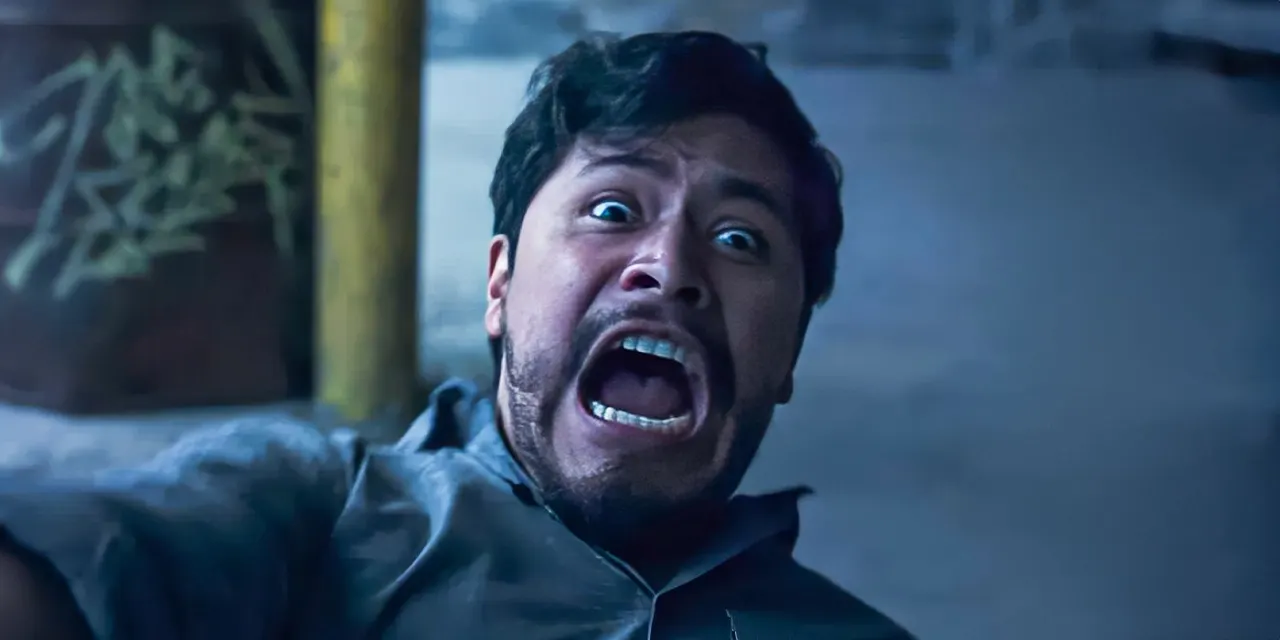
The Mexican horror film "Disappear Completely" (2022), directed by Luis Javier Henaine, has quietly become available on Netflix but has largely gone unnoticed outside its home country, despite critical acclaim. The film premiered at Austin's Fantastic Fest in 2022 before arriving on Netflix in April 2024, and although it reached the platform's Top 10 in Mexico, it has failed to attract wider international audiences, something the article attributes to possible weak marketing or subtitle resistance among viewers.
The psychological horror film follows Santiago, a photojournalist who photographs crime scenes for tabloids, and who becomes cursed after capturing an image of a demonic entity while shooting a gruesome crime scene. As the curse gradually strips him of his five senses, Santiago desperately seeks a cure while his pregnant girlfriend Marce grapples with his reluctance to become a father. The film, which holds a 100% rating on Rotten Tomatoes, ultimately ties Santiago's fate to his relationship with Marce and their unborn child, culminating in a grim conclusion where he refuses to sacrifice the baby to the demon and is doomed as a result.
In short
- "Disappear Completely" is a critically acclaimed Mexican horror film on Netflix
- It has a 100% Rotten Tomatoes rating but limited international viewership
- Follows a cursed photojournalist losing his senses after photographing a demonic entity
Explained simply
Disappear Completely is a Mexican psychological horror film directed by Luis Javier Henaine. It centres on Santiago, a photojournalist who records crime scenes for tabloids, and Marce, his pregnant girlfriend. The story combines supernatural horror with tensions in their relationship as they face the prospect of becoming parents.
The film draws on familiar horror ideas about curses and demons, but makes the loss of sight, hearing and other senses central to its threat. Its Mexican setting and Spanish-language dialogue place it within a film industry whose stories may be less familiar to international audiences. Its reception also raises broader questions about how streaming services help viewers discover films made outside the English-speaking market.