Entertainment news and discussion on TalkFuse.
YouTube adds estimated co-viewers to public counts for TV viewing
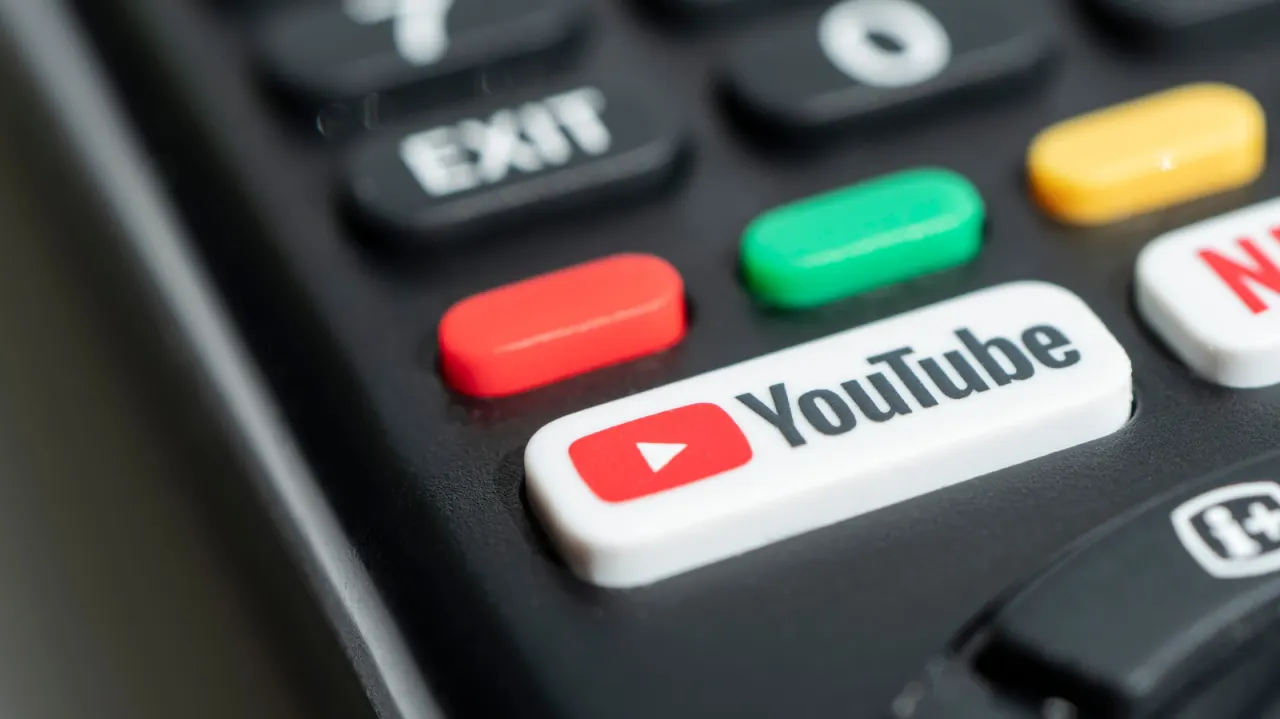
YouTube will begin counting estimated additional viewers when people watch videos together on a television, raising public view counts and watch times. The change is intended to give creators a fuller picture of how many people their videos reach and bring YouTube’s figures closer to TV industry measurement practices.
The estimates will apply to long-form videos, Shorts and live streams watched on TVs, using a statistical model informed by demographic patterns, viewing times and real-world testing. YouTube says it will not use cameras, microphones or other devices to identify co-viewers, and the new counts will not be applied retroactively. They will not affect creator earnings, advertising payouts or eligibility for the YouTube Partner Programme, which remain based on qualified views and watch hours.
In short
- YouTube will estimate extra viewers for videos watched together on TVs.
- The model uses statistical estimates, not cameras or microphones.
- Co-views raise public counts but do not affect creator earnings.
Steelman: both sides, in good faith
The strongest fair case each way — we don't pick a winner.
The case for
Counting estimated co-viewers could give creators a more realistic picture of how many people watch together on television, where one account may represent a household. It may also make YouTube’s audience figures more comparable with television measurement practices, helping creators and the industry understand the platform’s reach more fully.
The case against
Adding modelled viewers to public totals could make those figures less directly comparable with actual account-based views and harder for audiences or analysts to interpret. Even without cameras or microphones, estimates based on demographic patterns may be uncertain, so presenting them in public counts could create questions about accuracy and transparency.
Explained simply
YouTube is a video platform where people watch and publish everything from short clips to long programmes and live streams. Its public view counts have generally reflected plays on individual devices, so a video watched by several people around one television may not show the full audience.
Creators use view counts and watch time to understand how widely their videos are watched. Television audiences are often measured by estimating how many people are watching together, so this change brings YouTube’s public figures closer to that approach. The estimates are based on statistical patterns and testing, rather than identifying people in the room.
Entertainment Trending TV Weird & Viral
Read the full article at the source →
Originally published by Engadget as “YouTube will start boosting public view counts when you watch on a TV”.