YouTube’s Virtues, Industry Consolidation, Christie Brinkley and ‘Baywatch’: Trends and Themes From a Busy Mipcom
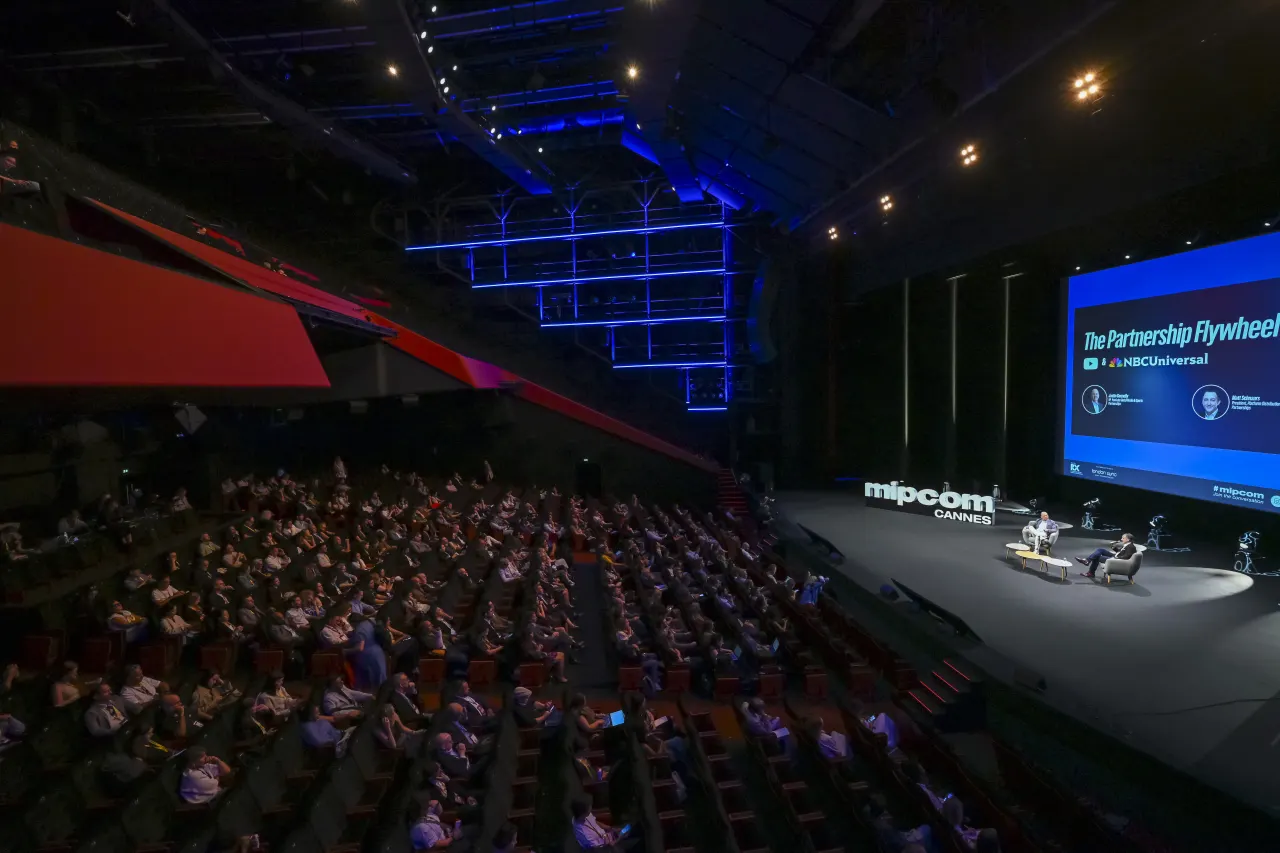
Mipcom discussions in Cannes highlighted how YouTube is becoming central to media companies’ plans for developing, distributing and promoting content. Executives described social video as a way to reach younger audiences and strengthen fans’ connections with programmes, while directing viewers towards live broadcasts and paid services.
Industry analyst Evan Shapiro said audiences now find an “infinite number of channels” through phones and television, so companies need to think about generations and fan communities. NBCUniversal shares some college football games on YouTube and has bundled Peacock in a YouTube TV tier; the BBC has 34 YouTube channels and plans 50 by the end of 2028. RTL said more than 200 episodes of “Cobra 11” drew 30 million YouTube views, alongside a 123% rise in first video views for the series on RTL+ and a 26% rise in subscriptions.
- Media firms see YouTube as a route to audiences and paid services.
- The BBC plans to expand from 34 YouTube channels to 50 by 2028.
- RTL linked “Cobra 11” YouTube views with gains on RTL+.
New here? Start with this
Mipcom is a major international television market and conference held in Cannes, where broadcasters, producers and distributors discuss how to make and sell programmes. YouTube is a video platform where people watch both creator-made videos and material from established media companies.
Broadcasters such as NBCUniversal, the BBC and RTL are using YouTube to reach viewers, especially younger audiences, and build interest in their programmes. They can also use it to guide viewers towards television broadcasts or paid services such as Peacock and RTL+.
The shift matters because viewers can choose from a growing range of channels and services on phones and televisions. Media companies are weighing how to find audiences across these platforms while keeping viewers connected to their programmes.
Both sides, in good faith
The strongest fair case each way — we don't pick a winner.
The case for
Media companies can use YouTube to meet audiences where they already watch, especially younger viewers, and build communities around programmes. The reported viewing and subscription figures suggest free social video can also serve as a route to live broadcasts and paid services, helping established content reach new viewers.
The case against
Making YouTube central to distribution may deepen reliance on a powerful platform whose priorities and reach companies do not control. Free clips and episodes could also shift viewing away from broadcasters’ own services, while a focus on platform metrics and fan communities may encourage companies to prioritise short-term reach over distinctive programming and direct relationships with audiences.