Zack Polanski refuses to say Israel has a right to exist as he brands Zionism a ‘racist ideology’ that has led to the ethnic cleansing of Palestinians
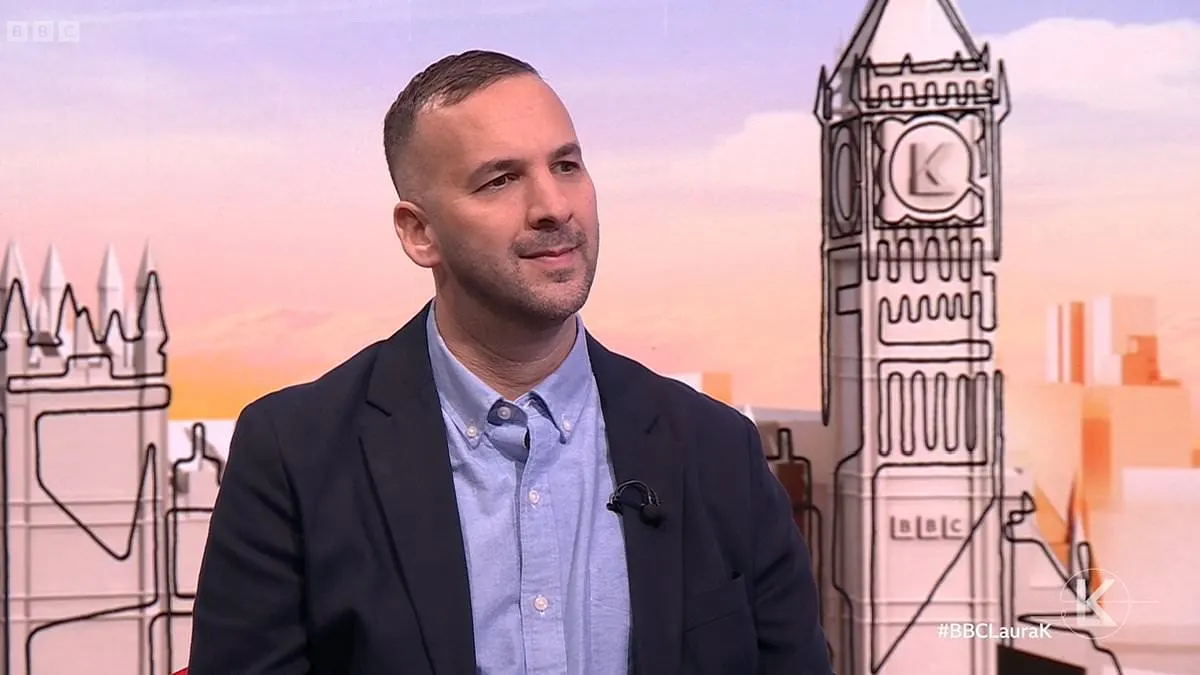
Green Party leader Zack Polanski declined to say Israel has a right to exist, arguing that countries do not have that right but people do. He described Zionism’s practical application in Gaza and the West Bank as racist and colonial, drawing renewed scrutiny amid a dispute over his party’s policy and its handling of antisemitism.
Polanski said he disagreed with a conference motion that labelled Zionism racism and called for Israel to be replaced by a Palestinian state, but would not seek to change the policy before 2028. The motion prompted Jewish Greens leader Vivien Lichtenstein to call for his resignation, while Labour warned local Green groups in coalition with it to reject the motion or lose its support. An Ipsos poll in October found 52 per cent viewed Polanski unfavourably and 16 per cent favourably, giving him a net rating of minus 36.
- Polanski said countries have no right to exist, but people do.
- He called Zionism’s practical application racist and colonial.
- Ipsos found his net favourability had fallen to minus 36.
Both sides, in good faith
The strongest fair case each way — we don't pick a winner.
The case for
A thoughtful defence of Polanski’s position would distinguish the rights of people from the legitimacy of any particular state, and argue that Israel’s policies and the effects of Zionism in the occupied territories should be open to strong criticism. Supporters might say that opposing an ideology they regard as discriminatory is compatible with opposing antisemitism, and that he can disagree with the Green conference motion without immediately trying to overturn party policy.
The case against
A thoughtful critic would argue that refusing to affirm Israel’s right to exist, while describing Zionism as racist, risks treating Jewish national self-determination as uniquely illegitimate and can make Jewish people feel their safety and belonging are being questioned. They might also say that a party leader should address a policy calling for Israel’s replacement more decisively, especially amid concerns about antisemitism within the party.