Science news and discussion on TalkFuse.
Zambians warned not to eat dead wildlife after anthrax kills dozens of animals
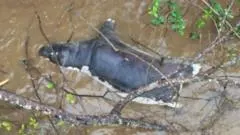
Authorities in Zambia have urged the public not to eat meat from wild animals found dead, after an anthrax outbreak killed dozens of wildlife and infected 12 people in the Munyamadzi River area. The outbreak matters because it highlights ongoing public health risks in a country where communities rely on wild meat for food, and where anthrax remains endemic but usually causes few human casualties.
Zambia's Disaster Management and Mitigation Unit reported that 46 hippos, eight elephants, five buffaloes and a crocodile have died since July in the Munyamadzi Game Management Area, with people eating the carcasses for food. No human deaths have been recorded so far, and the 12 people infected are receiving treatment, while officials have suspended hunting in the affected area and are carrying out surveillance and lab tests to determine the outbreak's extent. Anthrax, caused by the bacterium Bacillus anthracis, can survive as soil spores for years and spreads to humans through contact with contaminated animal products; previous major outbreaks occurred in 2023 (four deaths) and 2011 (five deaths from infected hippo meat).
In short
- Anthrax outbreak in Zambia kills dozens of hippos, elephants and other wildlife
- 12 people infected after eating dead animals; none have died
- Authorities ban hunting in affected area and warn against eating wild meat
Explained simply
Anthrax is a bacterial disease that affects animals and can infect people who handle or eat contaminated meat. The bacteria can persist in soil as spores for years, so outbreaks may occur where people and wildlife come into contact with contaminated ground or carcasses.
In parts of Zambia, wild meat is an important food source. Hippos and other wildlife can die during an outbreak, and eating animals found dead can expose people to infection. Past anthrax outbreaks in Zambia have caused human deaths, although the disease usually leads to few deaths among people.
Zambia’s Disaster Management and Mitigation Unit coordinates the response to emergencies, while health and wildlife officials monitor risks to people and animals. Anthrax is endemic in the country, meaning it is present there over time, and outbreaks can affect both public health and access to food.